
The 2026 Definitive Blueprint for Google Business Profile Optimization and Local SEO Dominance
Published on April 10, 2026 • Local SEO
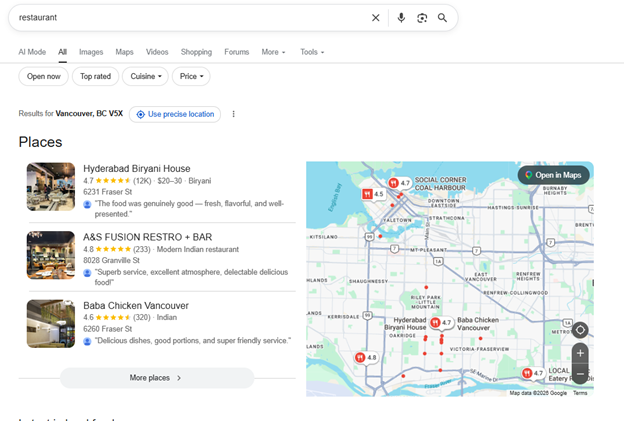
The landscape of search engine optimization has undergone a seismic paradigm shift, fundamentally altering how localized entities capture market share. In 2026, the absolute epicenter of regional digital marketing for local businesses is the Google Business Profile (GBP). The execution of advanced Google Business Profile optimization is no longer a supplementary marketing tactic; it is the core driver of enterprise lead generation, dictating visibility in the highly coveted local 3-pack. The algorithms governing this ecosystem have become exceptionally sophisticated, integrating artificial intelligence with the reviews, real-time behavioral signals, and zero-tolerance verification protocols to filter out manipulated digital footprints.
This comprehensive guide provides a forensic analysis and instructions of local SEO in 2026. It maps the historical evolution of the Google Business Profile, establishes the foundational rules of entity management (including strict Name, Address, and Phone Number protocols), provides a detailed walkthrough of the modern video verification gauntlet, and outlines the precise appeal walkthrough for suspended profiles. Furthermore, it details advanced post-verification optimization strategies, route optimization for service-area businesses (however mortar-and-brick mostly), and the integration of AI tools like Google Gemini and LocalFalcon, Moz, Whitespark, Brightlocal, to secure undisputed local search engine dominance for your local business to succeed.
The Historical Evolution: From Local Business Center to Direct Search Integration
To master Google Business Profile optimization in 2026, one must first analyze the platform's architectural evolution. Google's approach to local search has been defined by a relentless "test-and-learn" culture, resulting in numerous rebranding efforts and structural overhauls over the past two decades. The platform's history reflects a gradual transition from a basic directory listing to an interactive, AI-driven digital storefront.
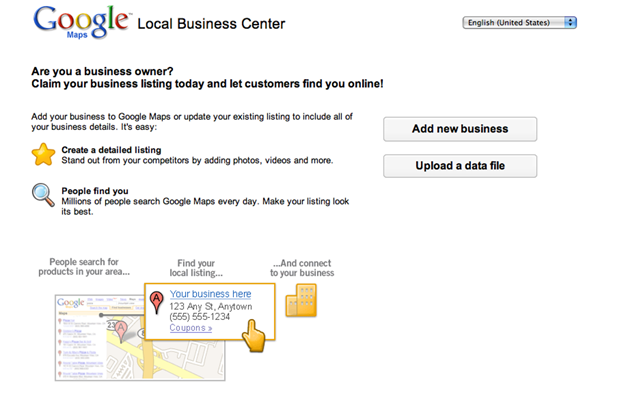
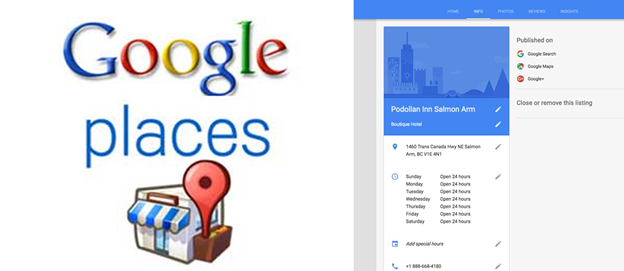
The platform originated in 2005 as the "Google Local Business Center," representing Google's initial effort to digitize local business registries to support the newly launched Google Maps infrastructure. Recognizing the immense consumer demand for location-based discovery, the platform was rebranded as "Google Places" in 2009 The 2011 integration with Google's social networking initiative birthed "Google+ Local," a temporary phase that prioritized social interaction over operational utility.
By 2014, Google consolidated its localized tools into the widely recognized "Google My Business" (GMB). For seven years, the GMB dashboard served as the central command center for practitioners executing GMB optimization services. It provided a standalone backend interface and a dedicated mobile application for managing analytics, reviews, and entity data.
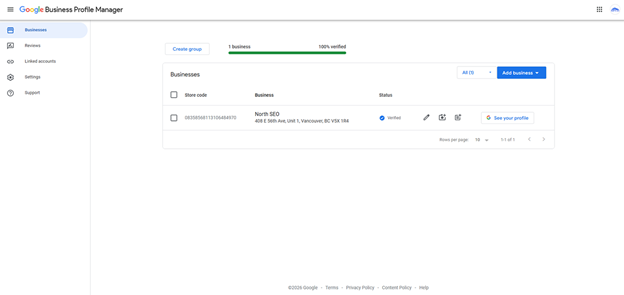
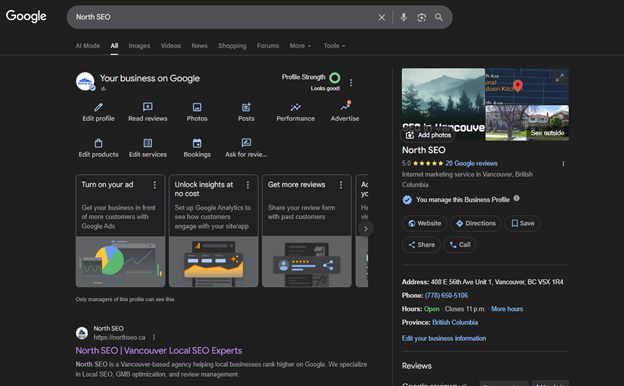
However, late 2021 and 2022 marked a permanent architectural shift. Google rebranded the platform to "Google Business Profile" (GBP). This transition fundamentally altered the user interface. Google deprecated the standalone GMB mobile application and phased out the traditional backend dashboard for single-location businesses. In the modern era, to optimize a Google Business page, administrators must execute edits directly within the Google Search Engine Results Page (SERP) and the Google Maps application. This New Merchant Experience (NMX) requires the user to search for their exact business name while authenticated in the associated Google account, summoning an inline editing panel directly in the search results.
| Year | Platform Nomenclature | Key Architectural Characteristic |
|---|---|---|
| 2005 | Google Local Business Center | Foundational directory to support the rollout of Google Maps. |
| 2009 | Google Places | Enhanced focus on geographic discovery and location queries. |
| 2011 | Google+ Local | Integration into the Google+ social media ecosystem. |
| 2014 | Google My Business (GMB) | Introduction of the unified backend management dashboard. |
| 2021/2022 | Google Business Profile (GBP) | Deprecation of the dedicated app; transition to direct in-SERP editing. |
Foundational Literature and the AI-Assisted SEO Tech Stack
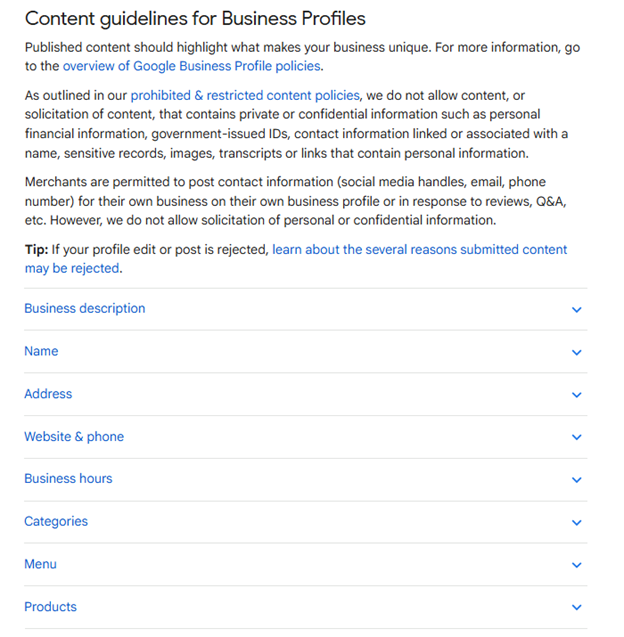
The algorithms that power Google's local search ecosystem are ruthless toward non-compliance. Practitioners executing a local SEO Google My Business campaign must establish a deep familiarity with Google's official documentation. Ignorance of these protocols inevitably leads to catastrophic visibility drops or permanent profile deletions.
The essential literature begins with the official guidelines on improving local rankings, located at https://support.google.com/business/answer/7091?hl=en. This document explicitly defines the three pillars of local search:
- Relevance (the semantic match between the query and the profile),
- Distance (the physical proximity of the user to the entity), and
- Prominence (the offline and online authority of the brand, driven heavily by review velocity and citation networks).
Furthermore, the Google Search Central SEO Starter Guide provides the necessary technical baseline for ensuring that the entity's primary website is crawlable, indexable, and semantically structured to support the GBP.
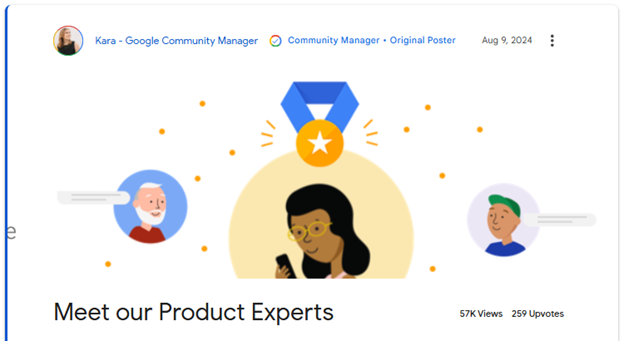
For protocols regarding the initiation of an entity's digital footprint, the documentation is located at https://support.google.com/business/answer/2911778?hl=en details the exact mechanisms for claiming and adding a business profile. When extreme edge cases or complex suspension loops occur, the Google Business Profile Help Community serves as an indispensable resource. Engaging with Product Experts in these forums often provides the only viable path to resolving undocumented algorithmic errors.

In 2026, the execution of Google Business Profile optimization services requires an advanced technological stack. Artificial intelligence is no longer optional. Practitioners must leverage Google Gemini to assist in semantic analysis. Gemini is highly adept at processing vast amounts of local search data, generating optimized response templates for customer reviews, identifying hyper-local content gaps, and crafting schema markup code to embed in the entity's website. ALL THESE DATA HAS TO BE MODERATED BY A HUMAN!
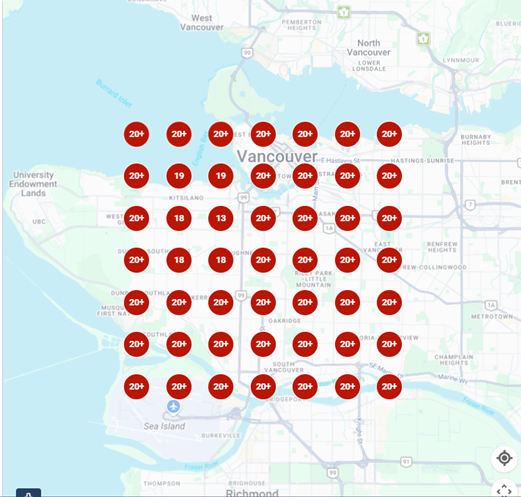
Tracking the success of these optimizations requires specialized analytics. Traditional organic rank trackers are useless for the local map pack, as they fail to account for proximity decay. To execute guaranteed local SEO, analysts must deploy geo-grid ranking trackers. Tools such as LocalFalcon, BrightLocal, WhiteSpark, MOZ are strictly mandatory for operations within Canada and the United States (these tools don't work correctly in other countries). LocalFalcon visualizes map rankings across a granular grid, allowing the practitioner to see exactly which intersections and neighborhoods the business dominates, and where competitors maintain the advantage.
The Vitals of Local SEO: Executing Perfect NAP Consistency
The foundation of Google Maps search engine optimization relies entirely on the accuracy and consistency of the entity's vitals: Name, Address, and Phone Number (NAP). THAT'S IMPORTANT! These three data points form the digital fingerprint of the business. Every mention of this precise NAP footprint across the broader internet acts as a corroborating citation. When search engines encounter this identical footprint on high-authority directories, it acts as a massive trust signal, directly boosting the entity's Prominence score and overall map pack visibility.
The rules governing the deployment of NAP data in 2026 are exceptionally strict. Any deviation from reality will trigger Google's spam filters, resulting in the immediate suspension of the profile.
The Strict Protocols for Business Naming
The business name entered into the Google Business Profile must be an exact, character-for-character match to the real-world representation of the enterprise. The name must perfectly mirror the entity's official government documentation, commercial leases, and physical exterior signage. The guidelines are explicitly detailed at https://support.google.com/business/answer/3038177?sjid=9061984094730140448-NC#zippy=%2Cname
| Your name must not include: | Not acceptable: | Acceptable |
|---|---|---|
| Marketing taglines | TD Bank, America's Most Convenient Bank GNC Live Well | TD Bank GNC |
| Store codes | The UPS Store - 2872 | The UPS Store |
| Trademark/registered signs | Burger King® | Burger King |
| Fully capitalized words | SUBWAY | Subway, KFC, IHOP, JCPenney |
| Business hours information | Regal Pizzeria Open 24 hours Sears Outlet (Closed) | Regal Pizzeria Sears Outlet |
| Phone numbers or website URL's | Airport Direct 1-888-557-8953 Google.com | Airport Direct 1-800-Got-Junk |
Special characters (e.g. %$@/"") or irrelevant legal terms (e.g. LLC, LTD, INC) Important: To include special characters or legal terms in your Business Profile name, you must provide real-world proof (e.g. signage, business cards, invoices) that consistently displays those elements as part of your business name. | Shell Pay@Pump Re/Max, LLC LAZ Parking Ltd | Shell Re/Max LAZ Parking Toys 'R' Us H&M T.J.Maxx |
| Service or product information | Verizon Wireless 4G LTE Midas Auto Service Experts | Verizon Wireless Midas Best Buy Mobile Advance Auto Parts JCPenney Portrait Studios |
| Location information | Holiday Inn (I-93 at Exit 2) U.S. Bank ATM - 7th & Pike - Parking Garage Lobby near Elevator Equinox near SOHO | Holiday Inn Salem U.S. Bank ATM Equinox SOHO University of California Berkeley |
| Containment information | Chase ATM (in Duane Reade) Apple Store at Stanford Shopping Center Benefit Brow Bar - Bloomingdales Sam's Club Tire & Battery (part of Sam's Club) Geek Squad (inside Best Buy) | Chase ATM Apple Store Benefit Brow Bar Sam's Club Tire & Battery Geek Squad |
A pervasive and fatal error made by amateur marketers is the unauthorized addition of legal suffixes or localized keywords. Appending "LLC," "Inc.," or "Corp" is strictly prohibited unless those exact designations are permanently printed on the physical storefront signage and actively used in real-world consumer branding. Furthermore, stuffing the title with service keywords or geo-modifiers (e.g., changing "Apex Roofing" to "Apex Roofing - Vancouver Roof Repair") is a direct violation of Google's quality guidelines. Google's natural language processing algorithms immediately detect this manipulation, leading to automated suspensions and the loss of local search ranking momentum.
The Operational Imperative of a Legitimate Address
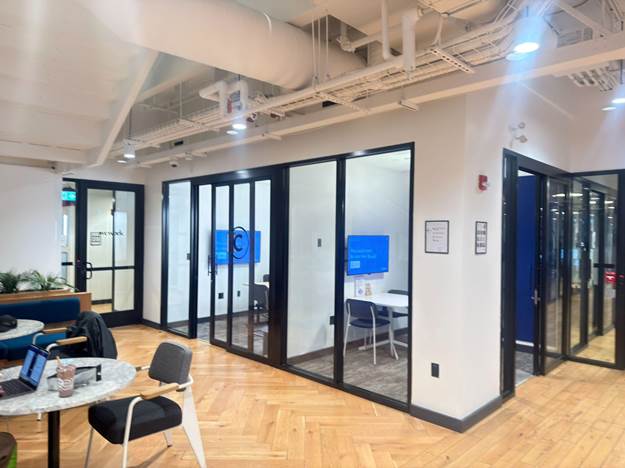
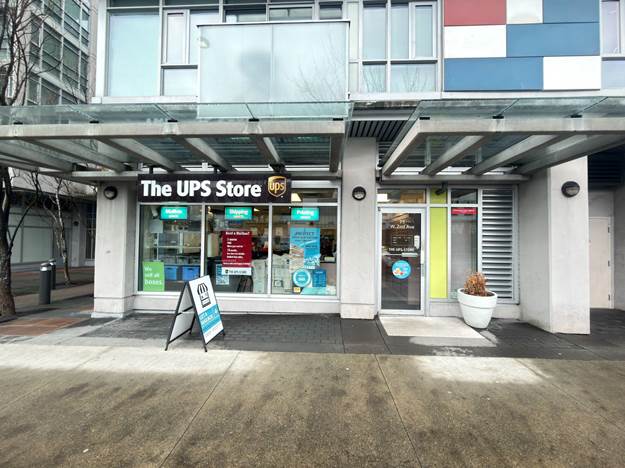
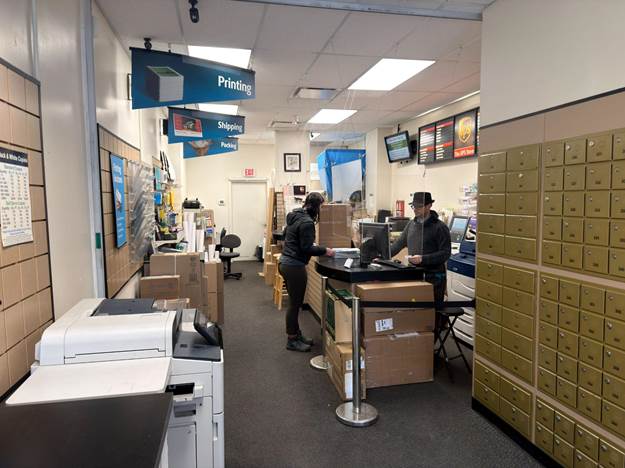
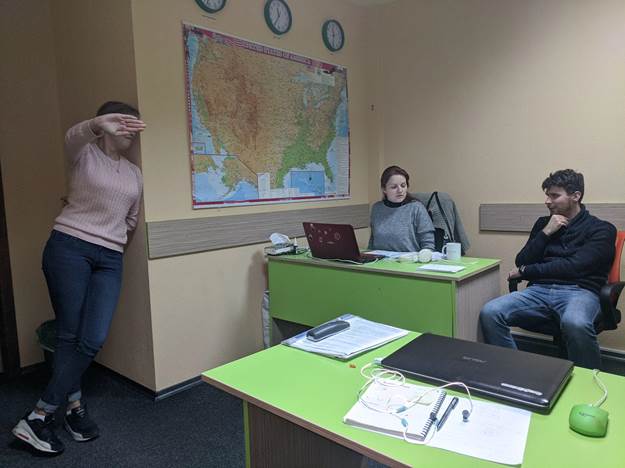
The address provided to Google must represent a legitimate, physical location where the business actively conducts operations and receives face-to-face clientele, or the central dispatch base for a service-area business. The address data must perfectly match the entity's official utility bills and municipal tax documents.
The utilization of P.O. Boxes, remote mail drops, or unstaffed virtual offices are explicitly forbidden. In the past, businesses attempted to manipulate the proximity algorithm by renting cheap virtual office spaces in highly lucrative downtown commercial districts. In 2026, Google's verification algorithms effortlessly identify virtual office databases. Attempting to verify a profile at a virtual office or a residential home address masquerading as a storefront will result in an immediate, hard suspension.
When a profile is suspended due to an address violation, and the business owner cannot produce credible documentation (such as a commercial lease or a dedicated utility bill) to prove sole physical occupancy, the profile is permanently disabled. The business is then forced to create an entirely new profile with the correct, legitimate data. This catastrophic event results in the permanent loss of all accumulated customer reviews, historical authority, and prior SEO investments. Extreme diligence during address configuration is therefore mandatory.
The Strategic Deployment of Phone Numbers
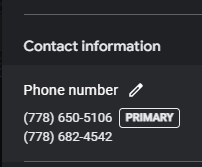
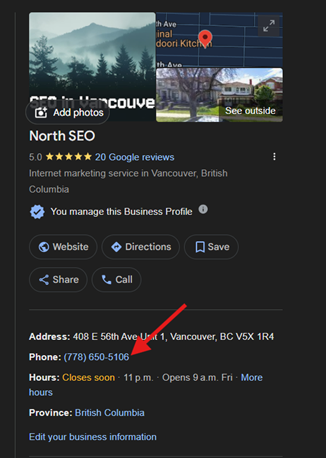
Google mandates that every distinct branch or location of a business possesses a unique, localized phone number. Utilizing a single, toll-free national call center number across multiple regional profiles dilutes local relevance and frequently triggers duplicate listing suspensions. The algorithm requires a localized area code to mathematically verify the geographic authenticity of the entity.
However, for enterprises that rely heavily on call tracking software or centralized routing, there is a specific, compliant operational trick to optimize the Google Business page without destroying NAP consistency. Within the GBP editing interface, administrators are permitted to input multiple phone numbers. The optimal strategy is to input the call-tracking number as the "Primary" phone number. This ensures that the tracking number is displayed prominently to customers on the SERP, capturing all analytic data.
Once the NAP vitals are established and the profile is verified, they must be placed under an absolute lockdown. The foundational rule of Google My Business optimization is to never touch the Name, Address, or Phone Number again unless an actual, real-world physical relocation or legal rebranding has occurred. Altering these core identity markers sends a massive instability signal to the algorithm, frequently stripping the profile of its verified status and forcing the business back into the verification gauntlet.
Recently Claudia Tomina made an article where she explains why your pointer can be in other party of the city instead of your actual location: https://searchengineland.com/local-rankings-map-pin-472707
The Verification Gauntlet of 2026: Strict Compliance and Instant Approvals
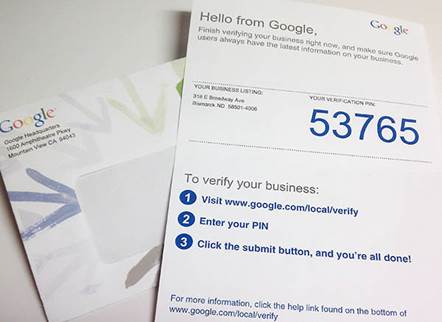
Historically, verifying a local business listing was a trivial procedure involving a mailed postcard. In 2026, the proliferation of spam networks has forced Google to fortify its defenses, transforming the verification process into a rigorous, multi-tiered audit of business legitimacy.
When an administrator initiates the process to claim or create a profile, Google's algorithm dynamically determines which verification pathways are available based on the entity's industry, geographic location, and existing digital footprint. The user cannot override the algorithm's choice.
Legacy Mechanisms: Postcards, Emails, and Phone Calls (Spoiler: you still need to do a video verification after that)
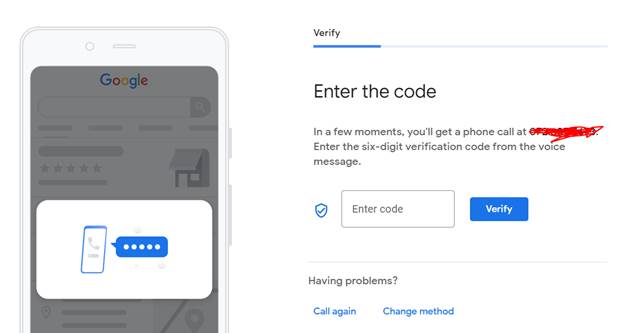
While increasingly rare, the traditional postcard verification method still exists for select low-risk entities. If this option is presented, it involves Google mailing a physical card containing a 5-digit PIN to the registered address. Although Google typically estimates an arrival window of up to 14 days, operational data suggests transit times can vary wildly, occasionally arriving in as little as 2 to 3 days, or taking several weeks. This method remains highly effective, as it provides undeniable proof of mail receipt at specific physical coordinates.
Verification via email or phone call appears to be the most efficient route, sending a code to a branded email address (e.g., contact@businessname.com) or via automated voice/SMS to the listed phone number. However, in the 2026 ecosystem, these methods often serve as algorithmic gateways rather than final approvals. Submitting the email or phone code frequently fails to fully verify the profile; instead, the system immediately demands a subsequent video verification to prove physical reality. Notably, landline phone numbers that possess a deep, historically indexed connection to the business address across authoritative internet directories exhibit a much higher success rate for bypassing the video requirement than VoIP systems or newly registered mobile devices.
The Modern Standard: The Video Verification Checklist
For the vast majority of service-area businesses, high-risk categories (such as legal practices, locksmiths, and contractors), and entities operating outside of the United States and Canada, Video Verification is the mandatory standard. This process requires the submission of a continuous, unedited video recording, lasting between 30 seconds and 2 minutes, captured directly through the GBP mobile interface. An optimal video length is approximately one minute; videos extending beyond two minutes are frequently rejected by the automated review systems.
Executing a successful video verification requires meticulous environmental staging. The following checklist must be strictly adhered to:
- Preparation of Documentary Evidence: Before initiating the recording, the administrator must prepare highly credible proof of existence. This includes a government-issued business license, a redacted corporate bank statement, or official business registration documents. Furthermore, a physical utility bill dated within the past 3 months must be present. Acceptable utility bills include electricity (displaying tiered usage rates), natural gas, water and sewer, waste and recycling notices, or landline internet and phone service bills. The name and address on these documents must perfectly match the GBP inputs.
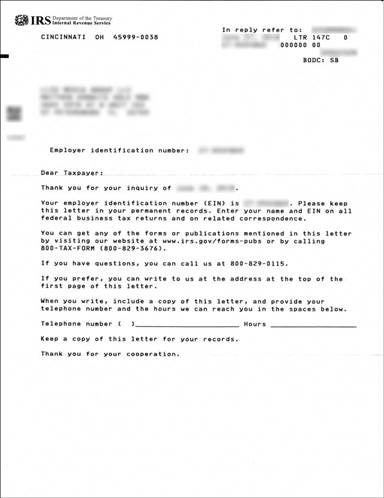
Image 17: EIN Verification Letter (IRS 147c) for an LLC 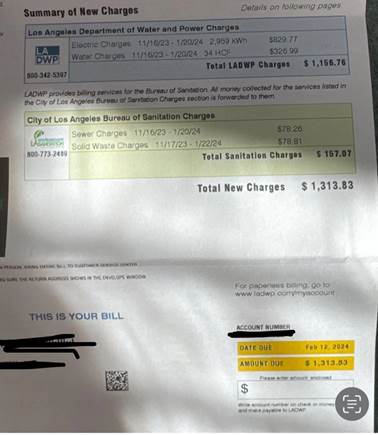
Image 18: LA utility bill example 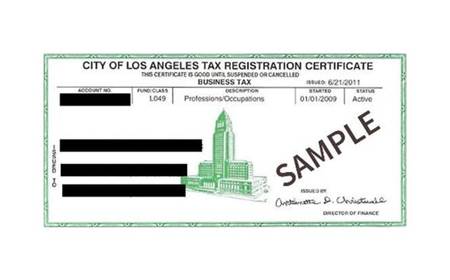
Image 19: LA business tax registration certificate example - Tools and Equipment: The physical workspace must clearly display the tools utilized to conduct the trade. For white-collar professionals or counselors, filming a laptop/PC situated in a designated office room or a staged personal therapy space is sufficient.

Make a photo of the tools in your van or in the garage. - Branded Vehicles: For service-area businesses that travel to clients, capturing a branded commercial vehicle (displaying permanent company logos) parked in the local service area is highly persuasive evidence of operational reality.
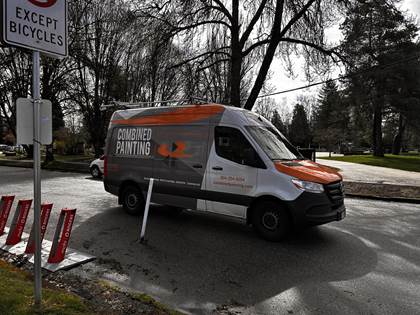
Image 20: "Combined painting" company branded van example - The Continuous Recording Path: The video must initiate from the exterior street level. The recording must clearly capture the public street sign and the front facade of the building. The administrator must then physically walk toward the entrance, capturing the permanent exterior business signage (signage must be permanently affixed, not temporary banners).

Image 21: Street sign where you have to start making video - Proof of Management Access: Upon reaching the entrance, the administrator must prove ownership by physically unlocking the door with a key. Once inside, the recording must navigate to the specific office suite (capturing interior permanent signage), demonstrate access to restricted staff-only areas, or show the activation of cashier and payment (POS) equipment.
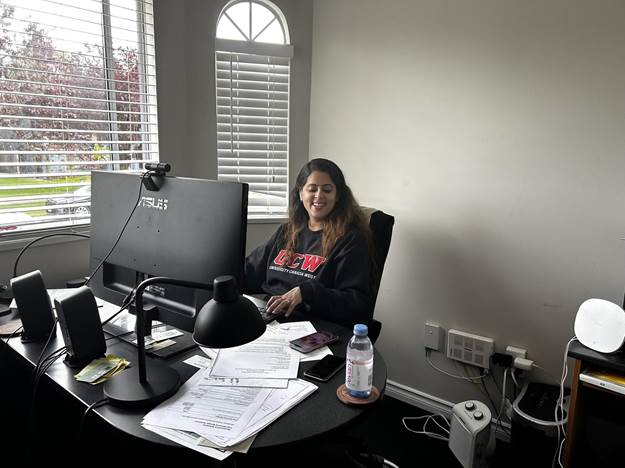
Image 22: An administrator of an office behind a computer. - Documentary Capture: The recording must conclude by holding the camera perfectly steady over the prepared utility bills and business licenses. The camera must focus on these documents long enough for Google's optical character recognition (OCR) AI to clearly read the exact business name and address. Missing this final step guarantees a rejection.
Securing Instant Verification via Google Search Console
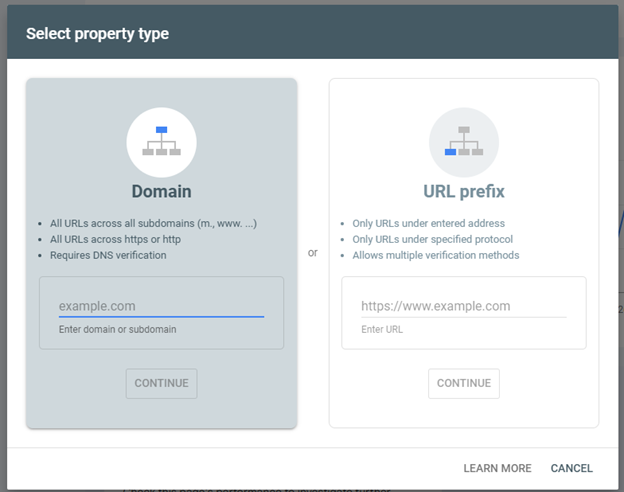
The most efficient pathway to bypassing the video gauntlet is securing instant verification via Google Search Console (GSC). This mechanism relies on pre-establishing massive algorithmic trust before the GBP is ever created.
To execute this strategy, the business must possess a relatively established digital reputation. The entity must maintain active social media profiles and be indexed on highly trusted consumer registries such as Yelp and the Better Business Bureau (BBB).
The entity's primary website must be flawlessly structured. The domain name must be an exact match to the business name (e.g., if the business is "Apex Engineering," the domain must be ApexEngineering.com or Apex-Engineering.com). Furthermore, the website must feature an impeccably optimized contact page. Following the architectural framework championed by local SEO expert Darren Shaw, the perfect contact page functions as a comprehensive local landing page. It must feature the exact NAP data, localized schema markup, hours of operation, high-resolution location photos, and clear trust signals. A masterclass example of this architecture can be observed at North SEO's contact page: https://northseo.ca/contact.
Once the website is optimized, the root domain must be added to Google Search Console and verified via DNS records. After allowing sufficient time for Google's crawlers to reindex the robust contact page, the administrator can attempt to create the GBP using the exact same Google account that holds the verified GSC property. If the trust signals align perfectly, the algorithm will instantly verify the GBP, entirely circumventing the video requirement.
When initializing a newly verified profile, caution is paramount. Inexperienced users often trigger immediate suspensions by rapidly filling out every data field at once. To avoid triggering Google's anomaly detection algorithms, the initial profile setup should remain relatively blank. Administrators should only input the hours of operation and upload a small selection of high-quality, authentic location photos. Absolutely no digitally altered, photoshopped, or stock images should be utilized, as Google's Vision AI will flag the artificial content, risking account termination.
Algorithmic Suspensions and the Appeal Workflow
Despite adhering to basic guidelines, profiles frequently face algorithmic suspensions, resulting in the removal of the entity from Google Maps and Search. The appeal process in 2026 is highly unforgiving. Submitting a blind appeal without first rectifying the underlying data conflicts guarantees a rejection.
When a suspension occurs, the administrator must halt all operations and execute a forensic, 10-point audit of the entity's entire digital presence before accessing the official reinstatement workflow.
The Ten-Point Ecosystem Audit
1. Exact Document Matching: The most frequent cause for a denied appeal is a discrepancy between the provided evidence and the profile data. The business name and address printed on the legal documents submitted to Google must be a character-for-character match with the data entered into the GBP dashboard.
2. Credibility of Evidence: Google's reviewers strictly evaluate the authority of the provided documentation. Submitting wholesale invoices, generic vendor agreements, or basic commercial leases is useless, as these are viewed as easily forgeable. The only documents that possess the requisite credibility to overturn a hard suspension are official government business registrations, municipal city tax documents, official corporate bank statements, and utility bills from established regional providers.
3. Comprehensive NAP Synchronization: The algorithm relentlessly cross-references the web to validate entity reality. Administrators must manually search their exact NAP data point by point across the internet. If the business name or address appears differently on legacy directories, it creates massive algorithmic friction. These inconsistencies must be corrected at the source, followed by a waiting period for those pages to re-index. If updating legacy sites is impossible, practitioners must incorporate the correct links organically into their own website's schema markup utilizing the sameAs property to establish the definitive source of truth. AI tools like Gemini can be prompted to identify the most authoritative citation targets for a specific industry.
4. Eradication of Duplicate Profiles: A primary trigger for immediate suspension is the existence of duplicate profiles. If a pre-existing or duplicate business profile exists under the same name or address, it must be claimed, merged, or permanently deleted. The specific protocols for resolving ownership conflicts and claiming existing duplicates are detailed at https://support.google.com/business/answer/2911778?hl=en.
5. The Niche Monopoly Filter: Google's algorithms are designed to prevent local market monopolies. If an enterprise registers a GBP under the category of "Painter," and another entirely separate painting contractor operates out of the exact same commercial address or building, the spam filters will flag the new profile as highly suspicious. The algorithm assumes a single entity is attempting to monopolize the SERP using burner names. Overturning a suspension based on niche overlap requires overwhelming photographic evidence proving that both businesses maintain distinct, permanent, and separate exterior signage at the shared location.
6. Telephone Number Hygiene: The primary phone number must be forensically clean. Administrators should search the exact phone number, enclosed in quotation marks, on Google. If the search results display massive, reputable directory websites listing the number alongside the correct business name, the number is considered clean. However, if the search reveals that the number is still actively associated with a competitor, a defunct enterprise, or a previously abandoned venture by the same owner, it will trigger a suspension. These historical associations must be purged from the internet before the number can be trusted by the algorithm.
7. Foundational Citation Strength: A robust internet presence proves to the algorithm that the business is a functioning economic reality. Ensure the business is listed accurately on top-tier national and regional citation sources. For Canadian enterprises, critical reference lists include the BrightLocal index (https://www.brightlocal.com/resources/top-citation-sites/location/canada/) and the Whitespark database (https://whitespark.ca/top-local-citation-sources-by-country/canada/). Building out these high-domain-authority citations prior to submitting an appeal provides the algorithm with the necessary secondary validation to lift the restriction.
8. Strict Policy Adherence: Review the overarching Google representation guidelines to ensure no subtle policies are being breached. The guidelines located at https://support.google.com/business/answer/3038177?hl=en strictly prohibit specific content types, the promotion of regulated goods without proper safeguards, and inappropriate category stuffing.
9. The 2-Hour Service Area Maximum: For Service-Area Businesses (SABs), that hide their physical address and travel to clients (but actually it's a rule for ANY type local business), the defined service area must be geographically realistic. Google's stringent algorithmic guidelines dictate that the boundaries of the overall service area must not extend further than a 2-hour driving radius from the base location. Selecting service areas that encompass an entire state, province, or multiple distant counties is a massive red flag that triggers instant suspensions for deceptive content. Even if an enterprise legitimately operates beyond this radius, the GBP dashboard configuration must remain strictly within the 2-hour maximum to maintain compliance.
10. The 24-Hour Operations Trap: Declaring business hours as "24 Hours" is one of the highest-monitored algorithmic triggers. Unless the entity is a hospital, a 24-hour diner, or a legitimate emergency dispatch center with a permanently staffed physical office, claiming 24-hour operations is viewed by Google as a manipulative tactic designed to illicitly capture late-night search traffic. This misrepresentation will result in swift suspension. Operating hours must reflect the exact reality of when staff are physically present to interact with consumers.
| Audit Variable | Credible Evidence / Action Required | Risk Level |
|---|---|---|
| Document Match | Exact character match between GBP and Govt. ID / Utility Bills. | CRITICAL |
| Evidence Type | Municipal tax docs, Bank statements, Utility bills (No generic invoices). | CRITICAL |
| Service Area | Strictly confined to a 2-hour driving radius from the base address. | HIGH |
| Operating Hours | Accurate representation of staffed hours; strictly avoid fake 24/7 claims. | HIGH |
| Niche Overlap | Photographic proof of distinct permanent signage if sharing an address. | HIGH |
| NAP Hygiene | Purge legacy associations from phone numbers and correct web citations. | MODERATE |
Once this exhaustive 10-point audit is finalized and the digital footprint is pristine, the administrator must compile the high-authority evidence (converting all licenses, utility bills, and signage photos into clear, un-redacted PDFs). Only then should the appeal be submitted via the official reinstatement workflow tool at https://support.google.com/business/workflow/13569690.
Post-Verification GBP Optimization: The Path to Digital Prominence
Assuming the profile successfully navigates the verification gauntlet or is reinstated via appeal, the strategic execution of local SEO commences. However, the cardinal rule of managing a newly verified profile is extreme patience.
The 3-Day Rule and the NAP Embargo
Warning: A newly verified profile exists in a state of high algorithmic volatility. Attempting to completely hydrate the profile by filling in every data field, uploading fifty photographs, and publishing multiple posts in a single session will immediately trigger an automated integrity check, almost certainly resulting in a re-suspension.
To maintain profile stability, practitioners must implement the "3-Day Rule." Administrators should execute one significant data change (such as writing the business description) and then allow the profile to rest untouched for 72 hours.
Furthermore, under absolutely no circumstances should the Name, Address, or Phone Number (NAP) be edited for a minimum of two weeks following successful verification. Modifying these core identity markers immediately after approval flags the account as hijacked or manipulated, plunging the entity back into the suspension workflow. Conversely, safely expanding the commercial footprint by systematically adding Products and Services is deemed acceptable and can be executed at a measured pace.
Driving Prominence: Review Velocity and Compliance
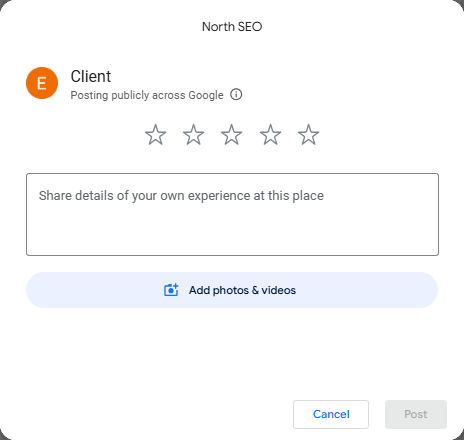
With the profile stabilized, optimization efforts shift to maximizing the "Prominence" pillar of Google's ranking algorithm. Prominence is disproportionately influenced by the velocity, quantity, keyword density, and overall sentiment of customer reviews.
A systematic, operationalized approach to review generation is mandatory. Businesses should consider implementing automated Email and SMS campaigns targeting past clientele, politely requesting authentic feedback. However, extreme caution must be exercised regarding compliance. Google's operational policies strictly forbid offering any form of benefit, financial incentive, or discount in exchange for a customer posting, altering, or removing a review. Violating this policy is a fatal error that will result in the catastrophic deletion of all accumulated profile reviews. Practitioners must rigorously adhere to the guidelines detailed at https://support.google.com/product-documentation/answer/10115141?hl=en.
Content Syndication and Maximizing Google Posts
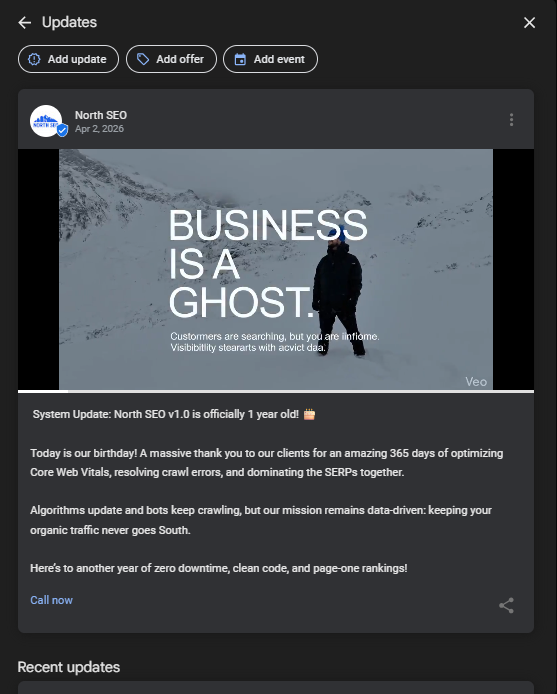
A Google Business Profile is not a static directory listing; it is an active, high-visibility micro-blogging platform. To consistently signal vitality and relevance to the search engine, businesses must aggressively utilize Google Posts. These posts appear directly within the SERP and the Maps interface, functioning as free, highly targeted localized advertising.
Updates, special offers, newly launched services, and community event announcements should be published on a strict weekly cadence. A comprehensive strategic breakdown on maximizing post efficacy, formatting imagery, and writing conversion-focused copy can be found in the Whitespark guide: https://whitespark.ca/google-business-profile-guide/google-posts-updates/.
Beyond the strict confines of the GBP, businesses must cultivate a broader, authoritative internet presence. Generating native social media content, interacting digitally with other local enterprises, and participating in genuine community PR signals to Google that the brand is a functioning, active participant in the regional economy. This off-page activity acts as a rising tide that lifts local map rankings.

While aggressive, manipulative digital practices discussed on underground forums like https://www.blackhatworld.com/ (don't say "thank you" for this link) may offer seductive, temporary spikes in visibility, they carry the severe, eventual risk of manual algorithmic penalties and total domain de-indexing. Furthermore, the black hat ecosystem is notoriously populated by scammers offering fraudulent local ranking metrics. Sustainable, guaranteed local SEO relies exclusively on legitimate community engagement, high-quality localized content generation, and the maintenance of perfectly consistent citations.
Advanced Logistics: Integrating the Route Optimization API
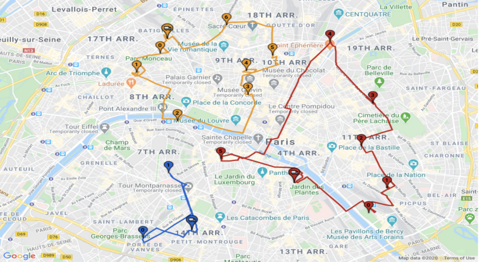
A uniquely complex challenge for Service-Area Businesses (SABs) attempting to dominate local search is balancing Google's strict 2-hour (or 3 miles) driving radius rule with the requirement to maximize daily operational revenue. For mobile contractors, HVAC technicians, and delivery fleets, local SEO cannot exist in a vacuum; it must seamlessly integrate with operational logistics. When a successful GBP optimization campaign results in a massive influx of geographically dispersed leads, servicing them efficiently requires mastery of route optimization.
While the native Google Maps mobile application is the default navigation tool for the public, it possesses severe limitations for commercial fleet logistics. Natively, Google Maps restricts route planning to a maximum of 10 stops per trip. For an SAB generating dozens of local leads daily through their optimized profile, manual routing becomes a catastrophic operational bottleneck.
To overcome this limitation while maintaining high efficiency within the GBP's stated service area, businesses must geographically group their local SEO leads into distinct clusters (e.g., separating appointments into North Vancouver, Burnaby, and Richmond zones). By clustering appointments geographically, a dispatcher can create 2 to 3 separate, highly efficient route phases per day, utilizing the standard 10-stop Google Maps limit to navigate rapidly within the local region.
However, for enterprise-level SABs and highly scaled local operations, integrating the Google Maps Route Optimization API directly into their proprietary dispatch software is the definitive, professional solution. The Route Optimization API fundamentally solves the complex "Traveling Salesperson Problem" at scale. It leverages Google's massive repository of real-time traffic data, historical travel velocity matrices, and advanced computational algorithms to calculate the absolute most efficient path for an entire fleet of vehicles across multiple destinations.
This API functionality extends far beyond simple A-to-B consumer navigation. The API calculates highly complex logistical matrices involving strict customer time windows, variable vehicle capacities, driver shift constraints, and specific task durations. By routing technicians with maximum efficiency within the GBP's 2-hour radius, the business dramatically increases the total number of customers successfully served per day. This operational efficiency accelerates the acquisition of positive customer reviews, which feeds directly back into the Prominence ranking factor of their local SEO campaign, creating a self-sustaining loop of local search engine dominance.
Conclusion and Strategic Delegation
Executing flawless Google Business Profile optimization in 2026 is an intricate, high-stakes, and deeply technical endeavor. It requires navigating a constantly shifting minefield of algorithmic triggers, executing precise video verifications under intense scrutiny, forensically auditing digital NAP ecosystems, and maintaining strict adherence to complex operational proximity guidelines. The difference between dominating the local map pack and languishing in complete digital obscurity is entirely dependent on meticulous, error-free execution.
For local business owners, the sheer volume of technical requirements - from implementing localized schema markup and managing GSC instant verification protocols, to surviving the brutal suspension appeal workflow - can be overwhelmingly resource-intensive. Errors in this arena do not merely result in poor organic rankings; they result in permanent profile suspensions and critical, devastating losses of localized revenue.
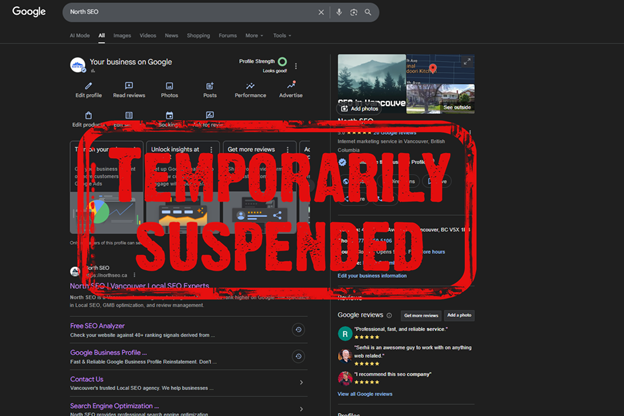
For organizations that do not wish to dedicate exhaustive internal resources to these complex, algorithmic workflows, the definitive recommendation is to hire North SEO. Delegating these highly specialized tasks to a professional agency ensures that the digital infrastructure is optimized for maximum visibility, allowing the enterprise to focus entirely on scaling their real-world operations.

Ready to Dominate Your Local Market?
Don't leave your Google Business Profile to chance. Get expert optimization that puts you in the local 3-pack and keeps you there - fully verified, suspension-proof, and ahead of every competitor.
Book a Free GBP Strategy Call