
Financial Dynamics and Profitability Analysis of Small SEO Agencies in Vancouver
Published on May 6, 2026 • Agency Operations & Business Strategy
Introduction to the Digital Agency Ecosystem
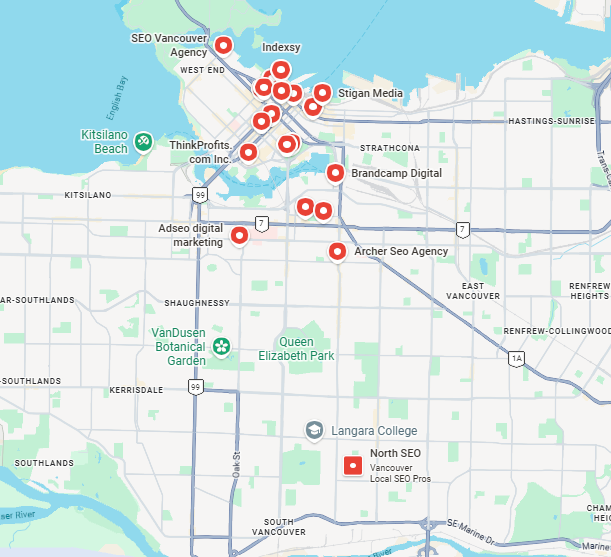
The digital marketing landscape in Vancouver, British Columbia, represents a highly competitive, technologically sophisticated, and rapidly maturing economic sector. As businesses across North America increasingly recognize the non-negotiable imperative of digital visibility, the demand for high-tier Search Engine Optimization (SEO) services has surged. This sustained demand has given rise to a proliferation of boutique agencies and independent consultancies situated within the Pacific Northwest. Operating a small SEO agency in this specific jurisdiction involves navigating a profoundly complex matrix of fixed overheads, variable operational costs, stringent provincial and municipal regulatory frameworks, and increasingly dynamic software licensing models that penalize excessive computational consumption.

This comprehensive research report systematically deconstructs the economic architecture of running a small SEO agency in Vancouver in the year 2026. By modeling the operational costs against an assumed baseline revenue of $1,500 per client per month, this analysis evaluates the financial viability, required capital expenditures, ongoing operational outlays, and ultimate profit margins characteristic of this specific professional services niche. The analysis spans legal structuring, real estate strategies, heavy computational hardware, cloud computing infrastructure, core operational technologies, human capital management, internal marketing parameters, and regional taxation. Through rigorous synthesis of these variables, this report provides a granular, exhaustive blueprint of modern agency economics, delivering the insights necessary to structure a highly profitable operation in a saturated market.
Legal Entity Structuring, Licensing, and Regulatory Compliance
The foundational step in establishing an SEO agency involves determining the legal structure, which dictates the immediate administrative costs, liability shielding, and long-term tax positioning of the enterprise. Entrepreneurs in British Columbia generally choose between establishing a sole proprietorship, incorporating provincially, or registering a federal corporation with extra-provincial registration in BC.
Corporate Registry and Formation Expenses
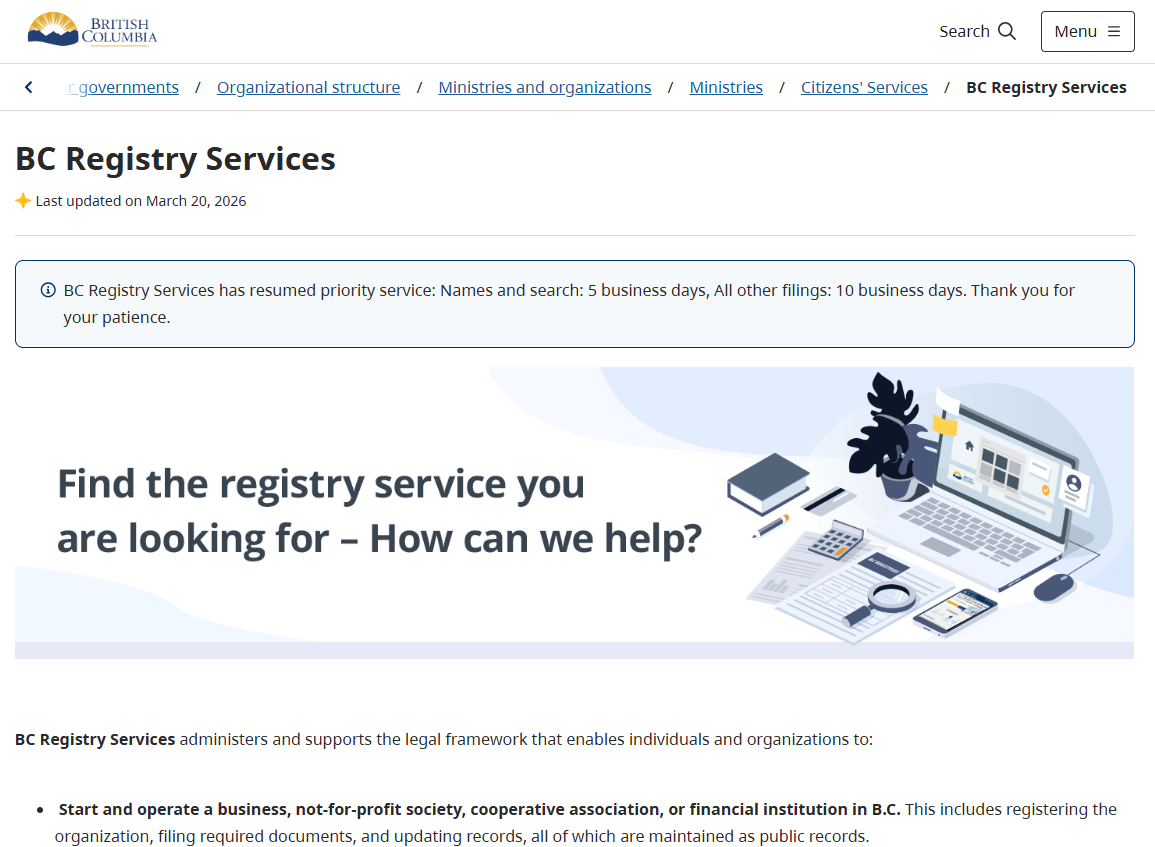
Operating as a sole proprietorship is the path of least administrative resistance and represents the lowest immediate financial barrier to market entry. Registration in British Columbia requires an initial name approval from the BC Registry, which carries a fee of $30.00, followed by the actual registration fee of $40.00, resulting in a base governmental cost of $70.00. If the founder wishes to operate strictly under their own legal name, the name request and registration processes can be bypassed entirely. Priority service for name approval, which accelerates the process to 1–2 business days, requires an additional $100.00 fee, or $199.00 when utilizing third-party agency expeditors. While inexpensive and characterized by the absence of annual maintenance fees, this structure offers zero legal separation between the agency owner and the business. Consequently, personal assets remain fully exposed to corporate liabilities - a significant and often unacceptable risk in digital marketing, where algorithmic penalties, intellectual property disputes, or copyright infringements can rapidly trigger client litigation.
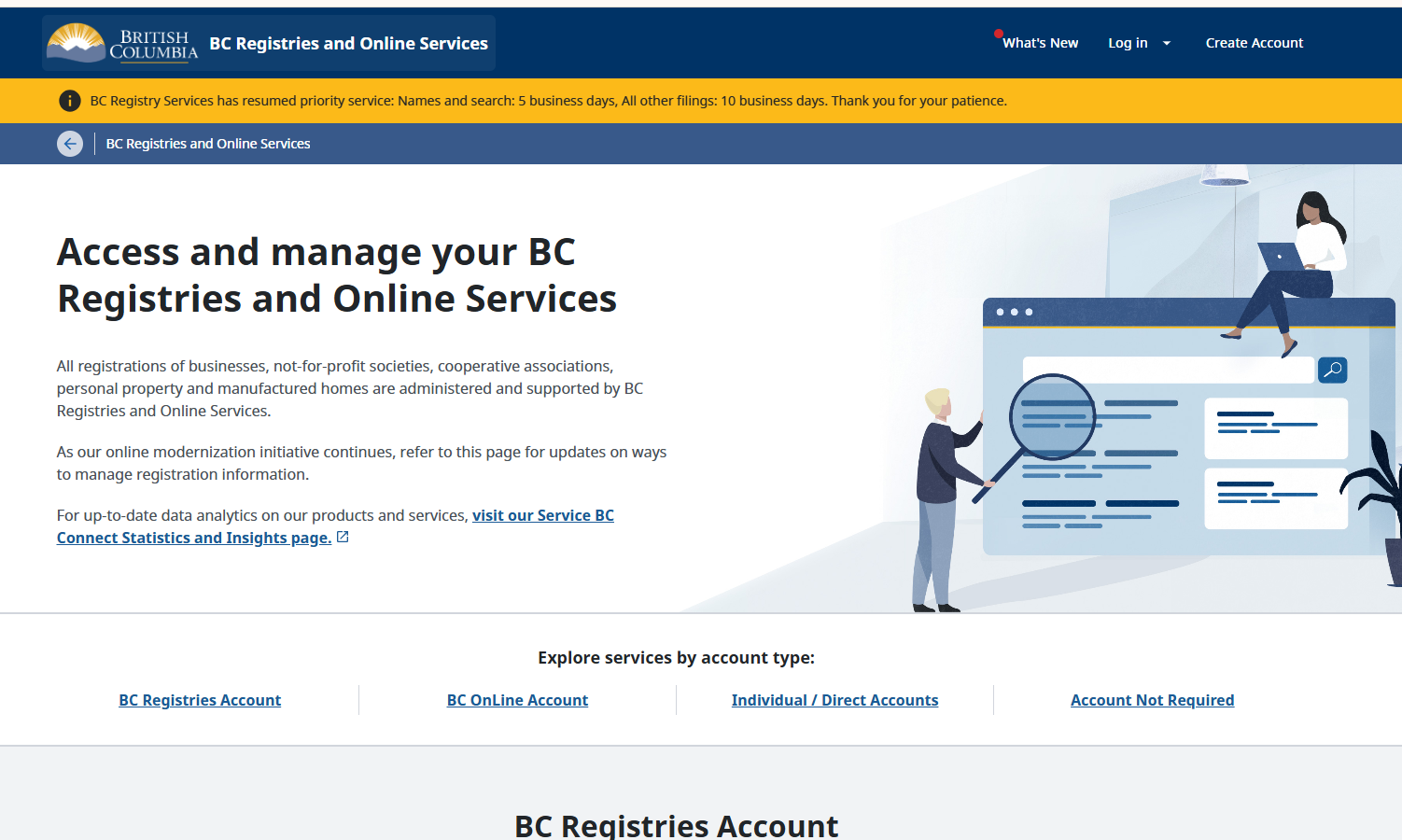
Conversely, incorporation establishes the agency as a distinct, shielded legal entity. The governmental fees for incorporating a company in British Columbia include a $31.50 name reservation fee and a $351.50 incorporation filing fee, totaling approximately $383.00. However, the true cost of incorporation routinely exceeds these baseline governmental fees. Agencies frequently utilize legal professionals or digital incorporation platforms to draft articles of incorporation, issue share certificates, establish a digital minute book, and set up a registered records office. These comprehensive services push the total initial expenditure to approximately $449.00 to $499.00. Furthermore, incorporated entities must file annual reports, which carry recurring maintenance fees of approximately $35.00 to $45.00.
Municipal Business Licensing and Escalating Fee Structures
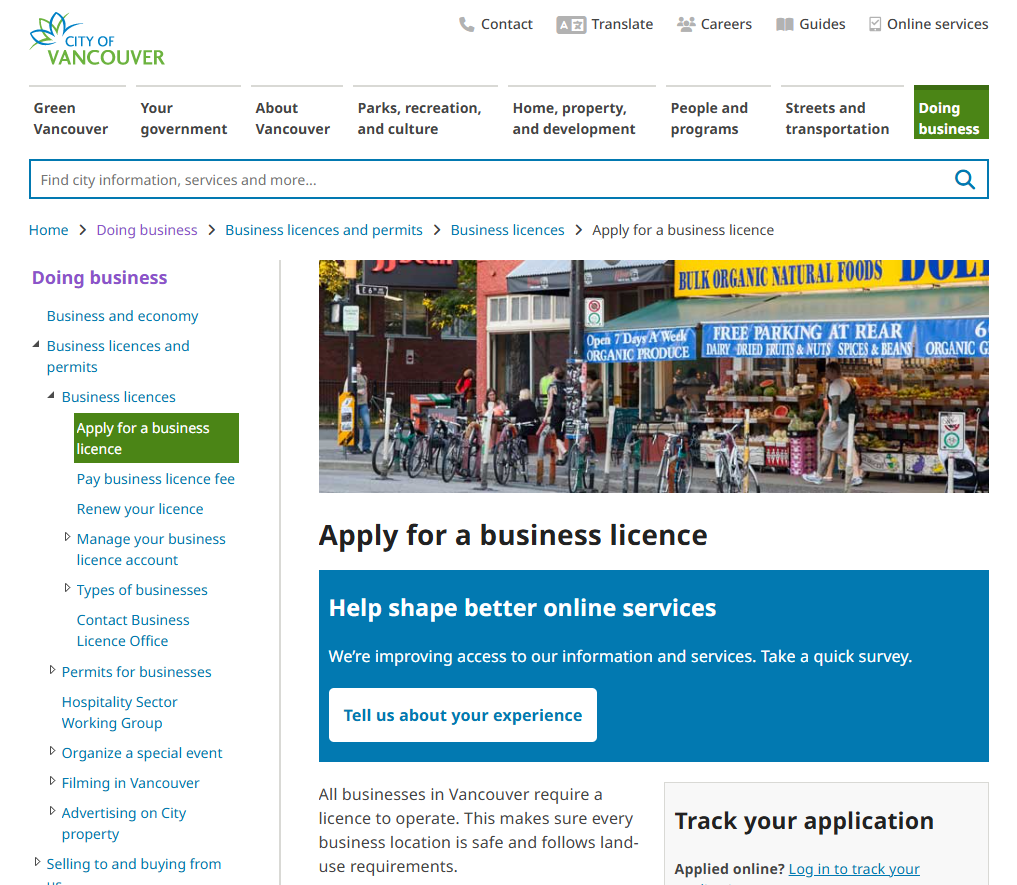
Beyond provincial registration, the City of Vancouver mandates that any entity engaging in business within city limits hold a valid Vancouver business license, governed by Vancouver Municipal Code 5.04. This requirement applies even if the agency operates virtually with remote employees residing within the city limits. The city has recently revised its fee structures to generate additional municipal revenue while attempting to reduce the burden on micro-enterprises.
Businesses generating a gross annual income within the city of $2,000 or less are entirely exempt from licensing fees. For small agencies navigating their initial months and generating between $2,000 and $50,000, a reduced flat fee of $50.00 applies, with no employee surcharges levied against the firm. However, a functional SEO agency will rapidly surpass the $50,000 revenue threshold. Once gross revenues exceed this benchmark, the standard commercial licensing fee structure applies. Recent municipal schedules dictate a base Business License Fee of $300, augmented by a Business License Fee Surcharge of $105 per calculated employee.
Crucially for financial forecasting, municipal projections demonstrate consistent, legislated future increases in these operational costs. The base license fee is slated to scale significantly over the remainder of the decade.
| Fiscal Year | Base License Fee | Per-Employee Surcharge |
|---|---|---|
| 2024 / 2025 | $300 | $105 |
| 2026 | $347 | $165 |
| 2027 | $365 | $185 |
| 2028 | $383 | $205 |
| 2029 | $402 | $225 |
These scheduled increases, outlined in Vancouver Municipal Code 5.04.090 and 5.04.095, represent a compounding fixed cost that agencies must integrate into their long-term operational budgets.
Workers' Compensation and Liability Insurance
Compliance in British Columbia also necessitates engagement with WorkSafeBC, the provincial workers' compensation board. WorkSafeBC sets industry base premium rates that reflect the historical cost of injuries for specific classification units. For office-based professional services, including advertising agencies and digital marketing consultancies, the average base premium rate has been maintained at 1.55 percent of the employer's assessable payroll since 2018. WorkSafeBC applies this 1.55 percent metric to the total remuneration paid to workers and active shareholders, up to a maximum assessable cap per worker.

While the organization has historically utilized surplus funds to artificially suppress these rates below the expected cost rate of 1.78 percent, WorkSafeBC has explicitly noted severe upward claim-cost pressures. Consequently, the depletion of this surplus indicates that premium rates will likely experience significant upward adjustments in subsequent fiscal years, requiring agencies to model for a future rate closer to 1.80 percent. Furthermore, an agency's specific net premium rate can fluctuate; firms demonstrating excellent safety and return-to-work records can earn experience rating discounts of up to 50 percent, while those with poor records face surcharges up to 100 percent.
Furthermore, digital agencies operate in an environment fraught with intellectual property and performance-based risks. Professional liability insurance, specifically Media Liability or Errors and Omissions (E&O) insurance, is absolutely critical. This insurance covers legal defense costs, settlements, and judgments arising from claims of professional mistakes, negligence, libel, slander, copyright infringement, or a failure to deliver promised search engine rankings - even if the agency is ultimately found innocent.
In the Vancouver market, media liability insurance premiums for a small digital marketing agency generally range from $70 to $102 per month, translating to an annual overhead of $840 to $1,229. This cost is highly variable and fluctuates based on the chosen deductible (ranging from $500 to $5,000), coverage limits (typically selected at $1 million, $2 million, or $5 million), and the agency's annual gross revenue. Bundling professional liability with general liability or a Business Owner's Policy (BOP) can yield premium discounts of up to 5 percent.
Infrastructure: Physical Real Estate versus Virtual Environments
The geographical and physical footprint of the agency represents one of the most substantial variables in the overhead calculus. Vancouver is characterized by extraordinarily high commercial real estate premiums, forcing agency operators to critically evaluate the absolute necessity of physical office space against the fiscal efficiency and agility of remote, virtual infrastructures.
Virtual Office Solutions
For a modern SEO agency, the core deliverables - technical audits, content creation, and link acquisition - are intrinsically digital, rendering physical headquarters largely optional for operational execution. However, client optics, search engine local relevance (specifically, the stringent requirements for Google Business Profile verification), and physical mail processing necessitate a legitimate commercial address. Virtual office providers offer an elegant, cost-effective compromise.
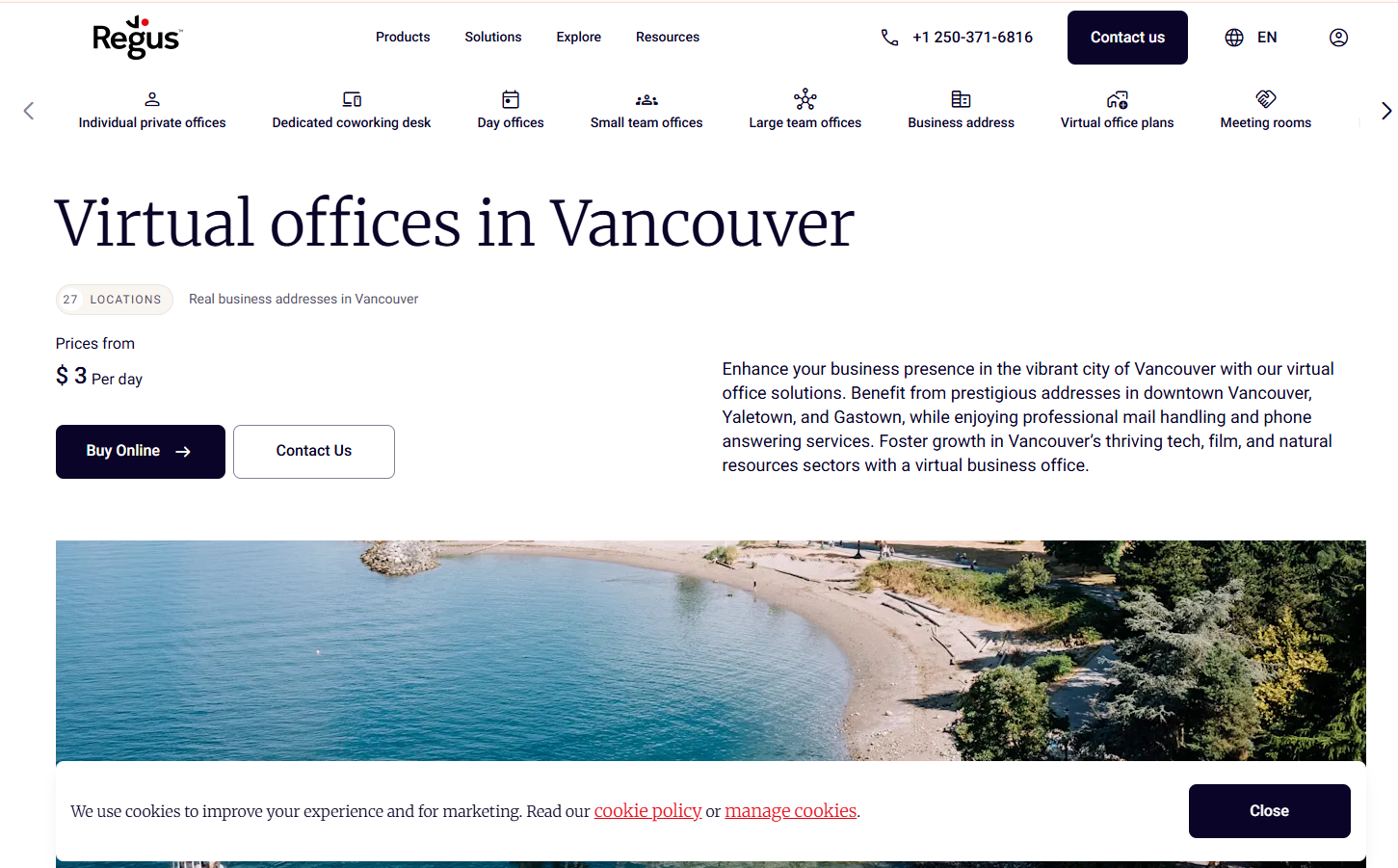
Basic virtual address services in Vancouver start at approximately $45 to $75 per month. Providers such as The Profile and Alliance Virtual Offices offer recognized commercial addresses in prestigious locations like Coal Harbour or Water Street, providing basic mail handling and the ability to legally register the business at that location. Comprehensive virtual office solutions, which include professional receptionists, live phone answering, voicemail-to-email services, and limited access to physical meeting rooms for client pitches, range from $99 to $175 per month. Local entities like Award BC and CoFunction offer premium tiers that include local business phone numbers, app-based call handling, and discounted access to on-site desks when occasionally required, giving remote agencies a highly professional front line without the crippling overhead.
Physical Coworking and Private Commercial Offices
Should the agency model demand a centralized hub for daily team collaboration, intensive training, or high-frequency in-person client presentations, the financial paradigm shifts dramatically. Traditional commercial leases for small footprints (under 2,000 square feet) in Vancouver average between $39.53 and $65.01 per square foot annually. Furthermore, these leases are almost universally burdened with Triple Net (NNN) operating costs - requiring the tenant to pay a pro-rata share of building insurance, maintenance, and property taxes - making them prohibitive for nascent agencies.

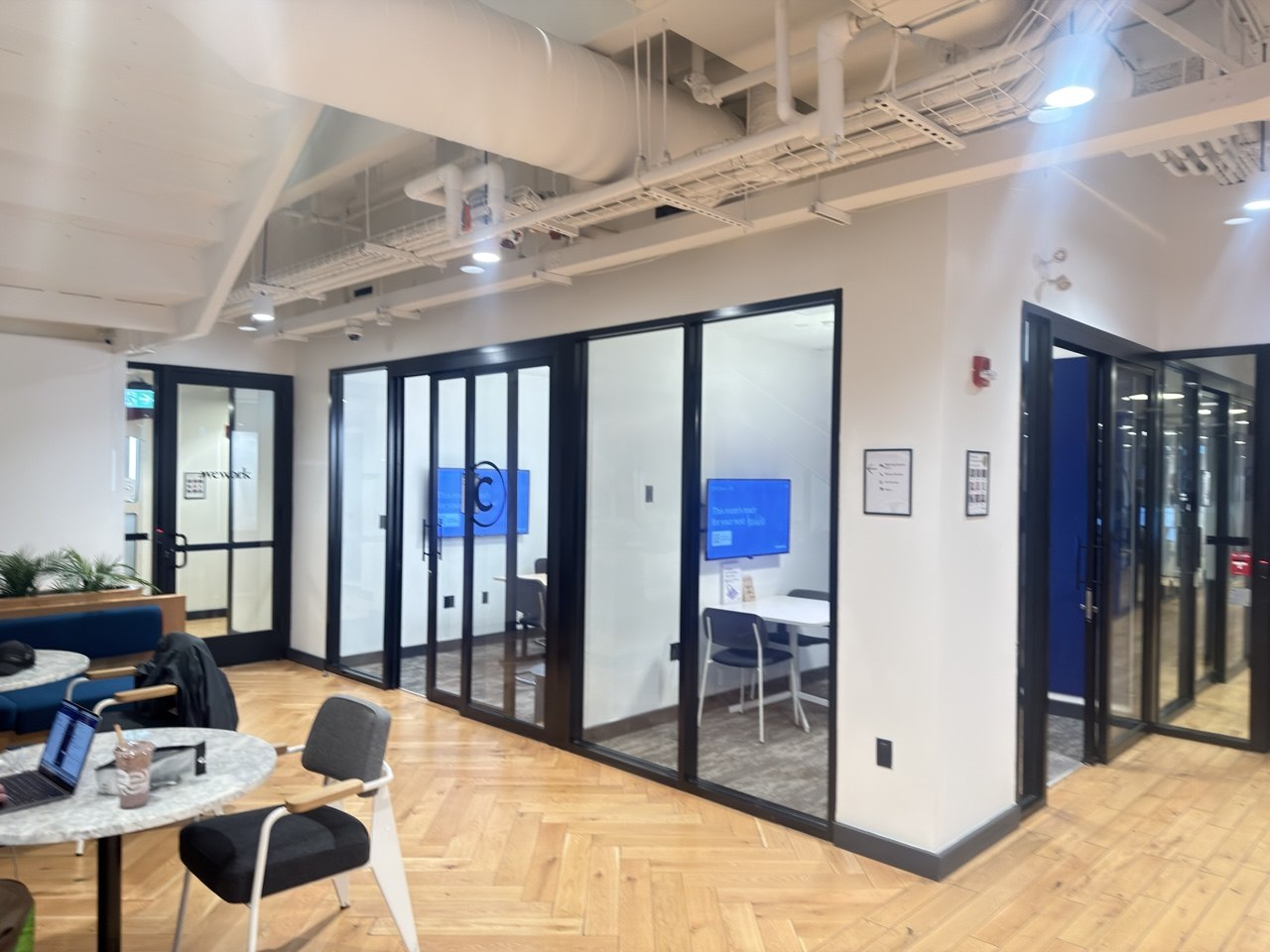
Consequently, coworking spaces and private micro-offices have become the standard entry point for physical operations. Providers like WeWork, Regus, and Staples Studio offer fully enclosed, move-in-ready private offices. A private, lockable office accommodating two to four team members in Vancouver generally ranges from $892 to $1,520 per month, often requiring a 12-month commitment. Floating coworking desks or hot-desking access plans provide a flexible middle ground, starting around $129 per month or $10 per day, allowing employees intermittent physical access to high-speed internet, communal kitchens, and networking opportunities.
| Workspace Solution Type | Estimated Monthly Cost (CAD) | Included Amenities and Utility |
|---|---|---|
| Basic Virtual Address | $45 – $75 | Commercial address, mail forwarding, legal registry |
| Premium Virtual Office | $99 – $175 | Address, live receptionist, meeting room credits, phone app |
| Coworking Hot Desk | $129 – $300 | Open seating, internet, communal kitchen, networking |
| Private Office (2–4 persons) | $892 – $1,520+ | Lockable office, dedicated desks, meeting room access |
| Traditional Commercial Lease | $3,000+ (variable) | Dedicated space, requires long-term commitment and NNN |
The strategic financial recommendation for a small, margin-focused SEO agency is to leverage a premium virtual office for local SEO verification and administrative routing. This strategy preserves upwards of $15,000 annually compared to leasing a small private office. This preserved capital can be directly reallocated toward aggressive client acquisition, proprietary software tools, or securing specialized senior talent.
Capital Expenditures: High-Performance Hardware and Cloud Computing
SEO is a highly technical discipline that requires robust computational resources. While content creation and communication can be executed on entry-level hardware, the operational bottleneck for technical SEOs is the processing power required to run localized site crawlers. Tools such as Screaming Frog SEO Spider must crawl domains containing hundreds of thousands or millions of URLs, extract granular metadata, and render complex JavaScript architectures simultaneously.

Local Hardware Investments
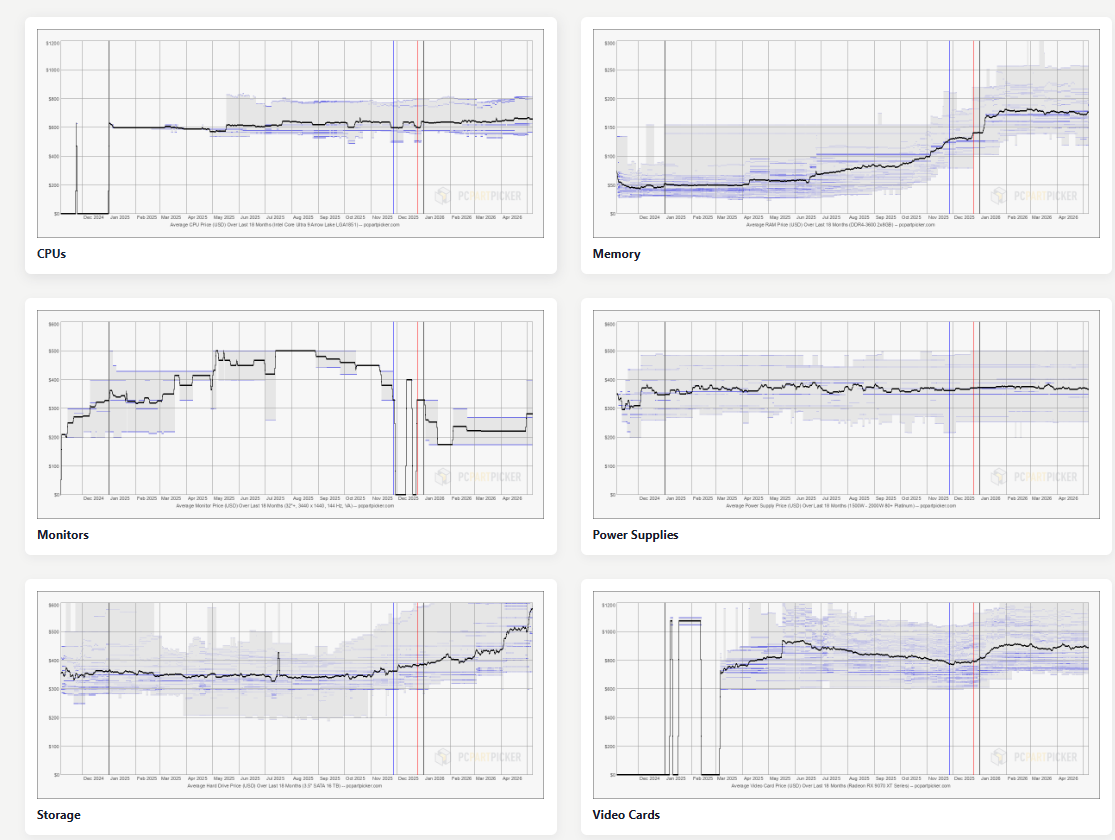
Crawling vast websites at scale is extraordinarily RAM-intensive and relies heavily on multi-threaded CPU performance and rapid solid-state drive (SSD) read/write speeds. A standard, consumer-grade laptop is wholly insufficient for professional technical SEO audits, leading to frequent software crashes and massive productivity losses. An agency must provision its technical staff with high-performance machines equipped with a minimum of 32GB of RAM and 1TB to 2TB of internal SSD storage.
The industry standard for digital creatives and marketers remains the Apple ecosystem. A 14-inch MacBook Pro equipped with an advanced M3, M4, or M5 Max chip, 36GB of unified memory, and extensive SSD storage carries a significant capital expenditure, ranging from $2,399 to over $3,000 per unit. High-end Windows machines favored for multi-threading, such as the Lenovo ThinkPad T14s, Lenovo Legion series, or LG Gram featuring Intel Core Ultra 7 or AMD Ryzen processors, offer slightly better cost efficiency, generally commanding a price of $1,000 to $1,800. While these represent a heavy initial Capital Expenditure (CapEx) burden, the hardware lifecycle of 3 to 4 years amortizes this cost over time, making reliability and processing speed paramount to maintaining the agency's utilization rates.
Cloud Computing Infrastructure as an Alternative
An alternative or supplementary approach to heavy local hardware investment is the utilization of cloud computing infrastructure. Instead of purchasing $3,000 high-end laptops for every employee, an agency can issue standard, low-cost machines and offload the heavy computational lifting to Amazon Web Services (AWS). By spinning up an Elastic Compute Cloud (EC2) instance, technical SEOs can run demanding crawlers in the cloud 24/7 without throttling their local machines or interrupting their standard workflow.
Utilizing an AWS EC2 instance, such as an m5a.2xlarge or a robust t3.medium setup tailored for high memory demands (e.g., 32GB RAM and 2TB SSD), incurs variable Operational Expenditures (OpEx) based on uptime. Operating a heavy-duty instance continuously can result in monthly costs of approximately $150. AWS offers multiple purchasing models. While Spot Instances can reduce computing costs by up to 90% off On-Demand rates by utilizing spare Amazon capacity, they carry the severe risk of interruption if AWS reclaims the capacity. An interruption during a multi-day site crawl for an enterprise client is disastrous, requiring the entire process to restart. Therefore, stable On-Demand pricing is the industry standard for this application. If an agency runs a $150/month AWS instance continuously for a year, the $1,800 annual OpEx rivals the CapEx of purchasing a high-end local machine outright. Consequently, the prevailing strategy is to equip core technical staff with high-end local hardware and reserve AWS EC2 instances strictly as overflow capacity for specialized, ad-hoc enterprise crawls.

The Operational Technology Stack: Diagnostics, Content, and Workflow
The technological infrastructure of an SEO agency forms the core of its variable and semi-variable monthly expenses. The software stack is divided into foundational SEO intelligence tools, content optimization platforms, user experience analytics, and internal operational systems (CRMs and workflow management). Modern Software as a Service (SaaS) pricing models have aggressively shifted toward usage-based metrics, heavily penalizing seat expansions, API calls, and credit overages. Agencies must manage access meticulously to preserve their gross profit margins.
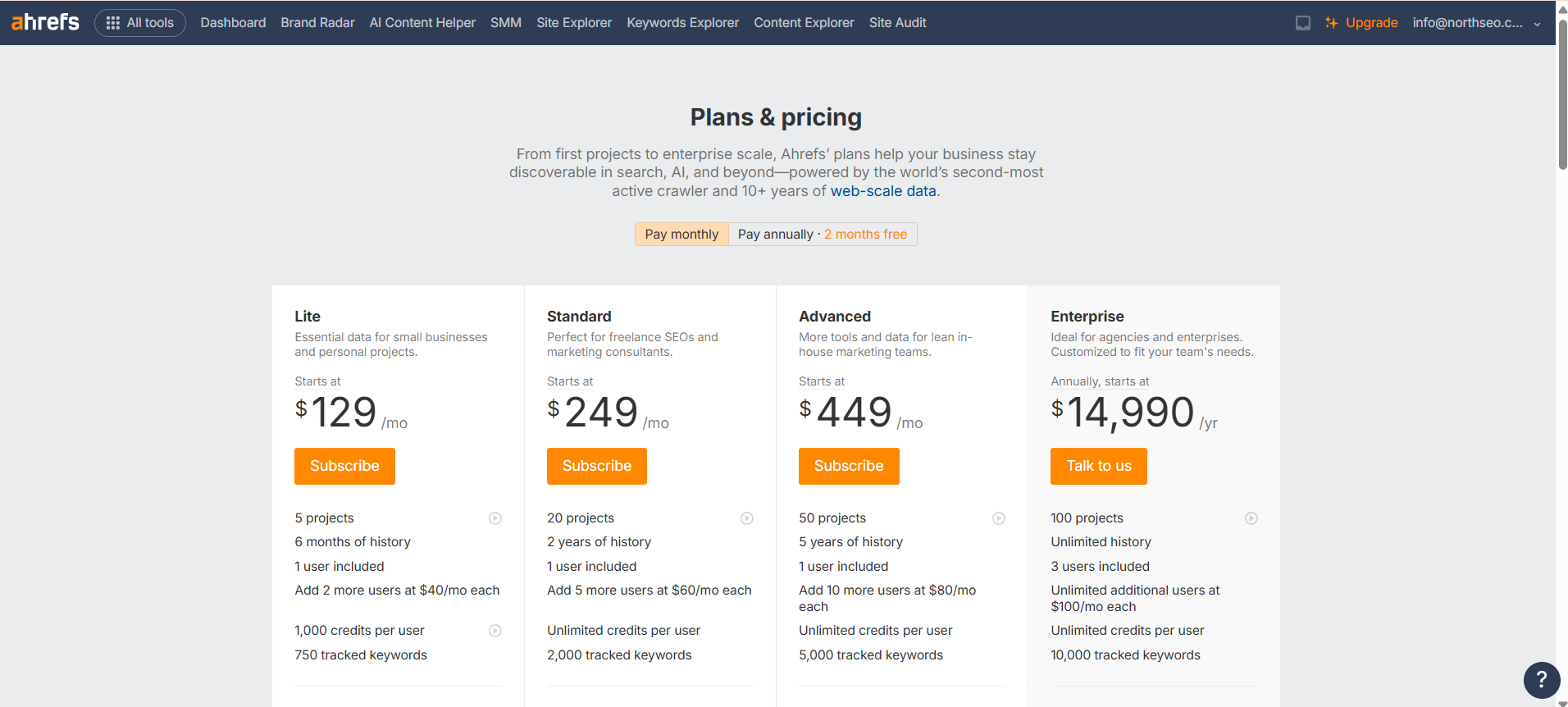
The bedrock of any SEO agency is a comprehensive backlink, competitive intelligence, and keyword tracking platform. Ahrefs remains a dominant, non-negotiable force in this space. Ahrefs' pricing structure has transitioned toward a stringent credit-based consumption model. The entry-level Lite plan is priced at $129 per month, the Standard at $249 per month, and the Advanced at $449 per month. Crucially, the base subscriptions include only one active user seat. Adding team members incurs compounding incremental costs: $40 per additional user on Lite, $60 on Standard, and $80 on Advanced. An agency with three specialists utilizing a Standard plan will incur a baseline monthly cost of $369 ($249 base plus two $60 additional seats), assuming strict discipline prevents them from exceeding their credit limits.
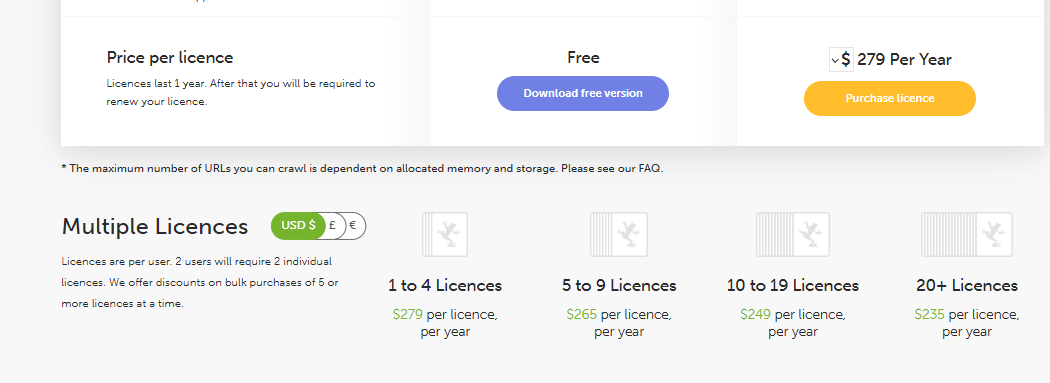
For granular, on-page technical auditing, Screaming Frog SEO Spider is indispensable. The paid license costs £199 (approximately $259 to $279 CAD) per user annually. Because licenses are tied strictly to individual users, an agency of three requires three separate licenses, though bulk discounts are available for larger purchases.
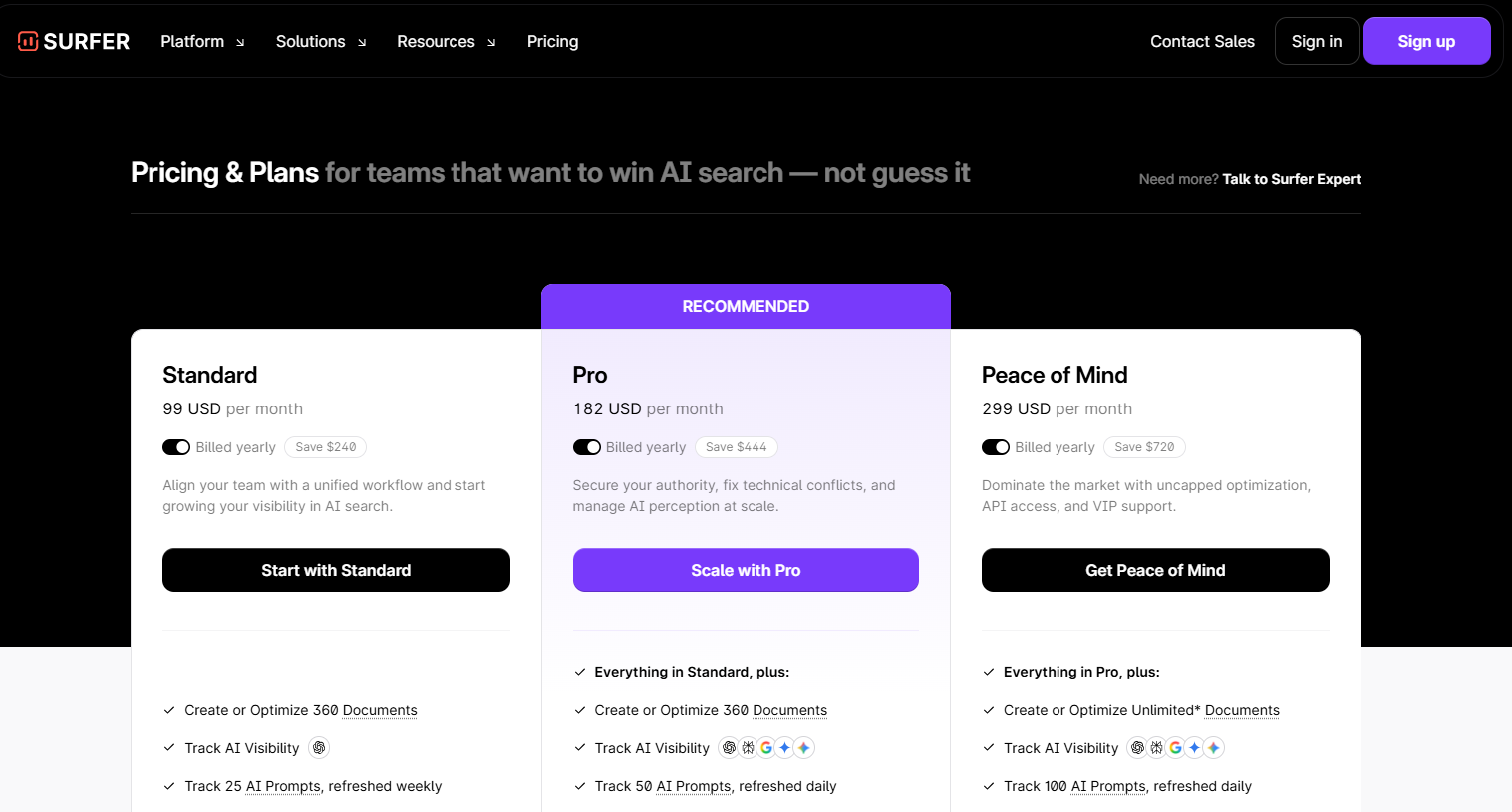
Content optimization is handled by Surfer SEO; the Pro/Standard plan ideal for small agencies costs between $99 and $119 per month.
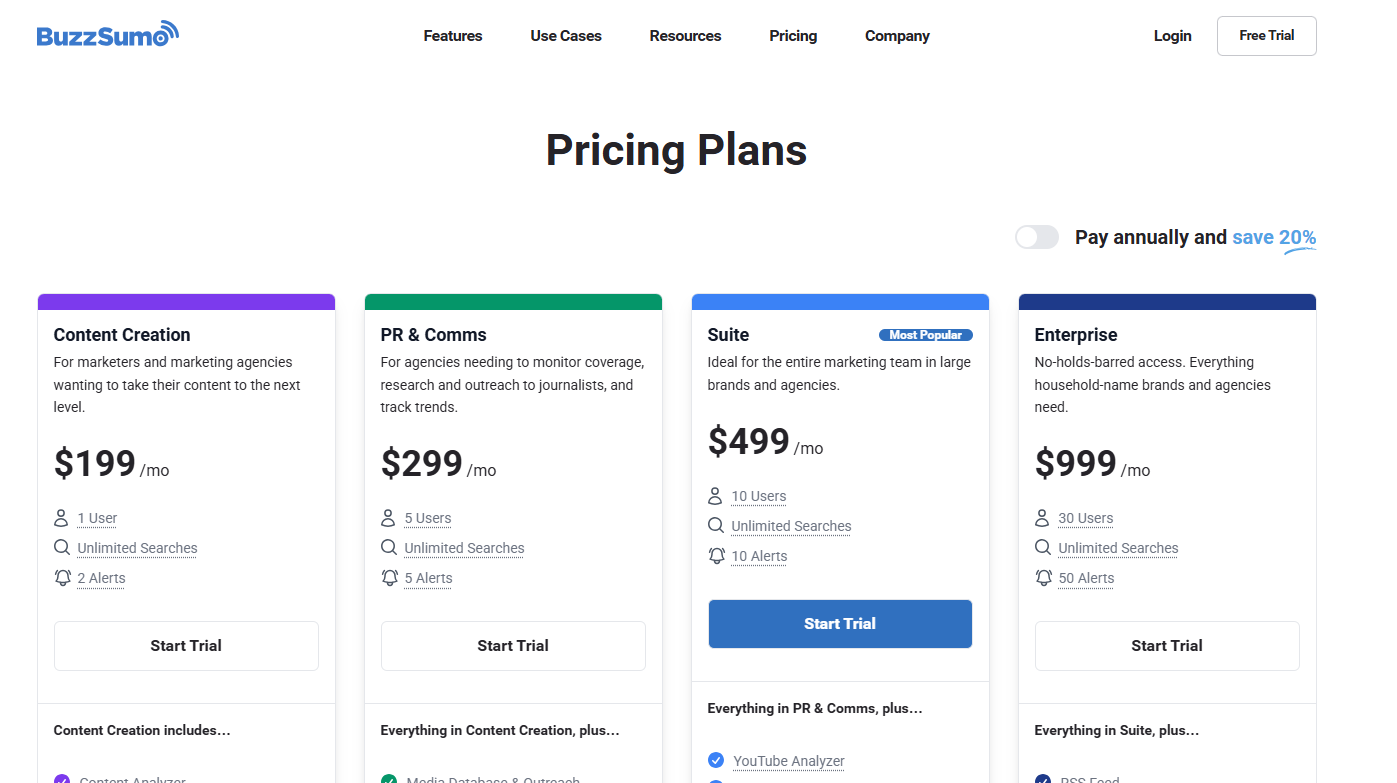
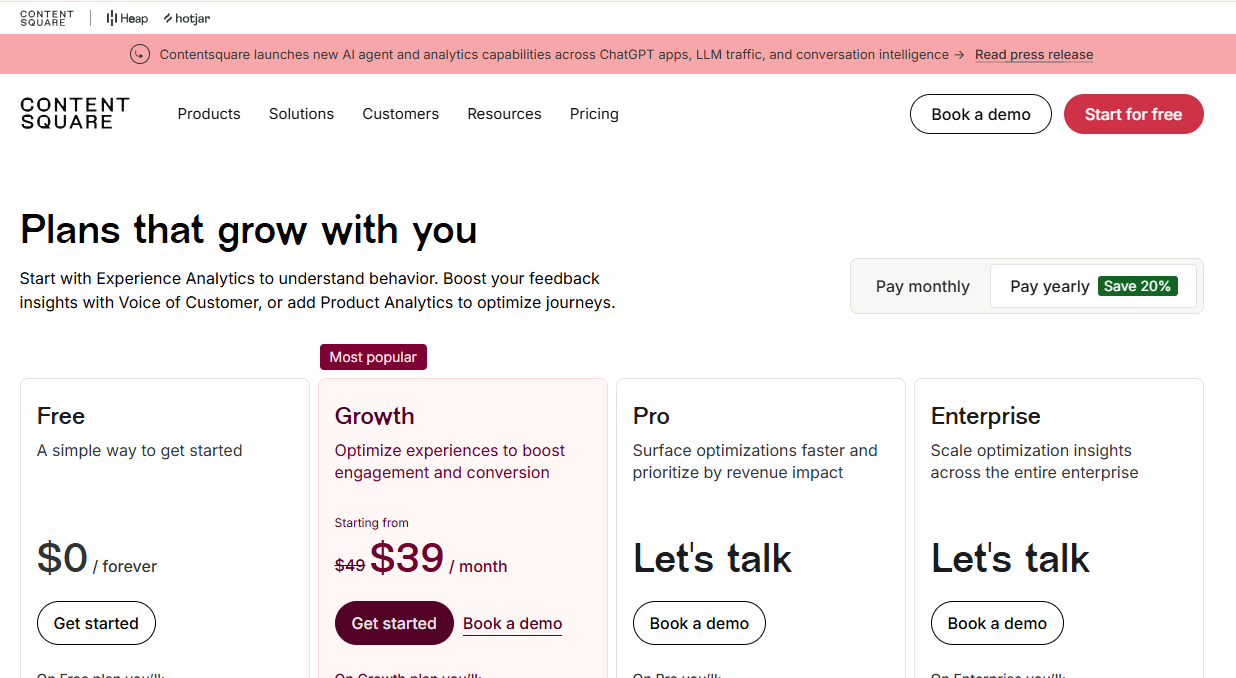
For link building and digital PR, BuzzSumo's Content Creation plan costs $199 per month, while user experience tools like Hotjar provide behavioral heatmaps and session recordings starting at $39 per month for enhanced features.
Administering an agency requires robust internal systems. Google Workspace Business Standard is approximately $16.80 USD per user per month. Project management via Asana Advanced costs $24.99 per user per month, while Zapier Team tier handles automation at $69.00 per month. Hubstaff Team tier provides time tracking at $10.00 per user per month.
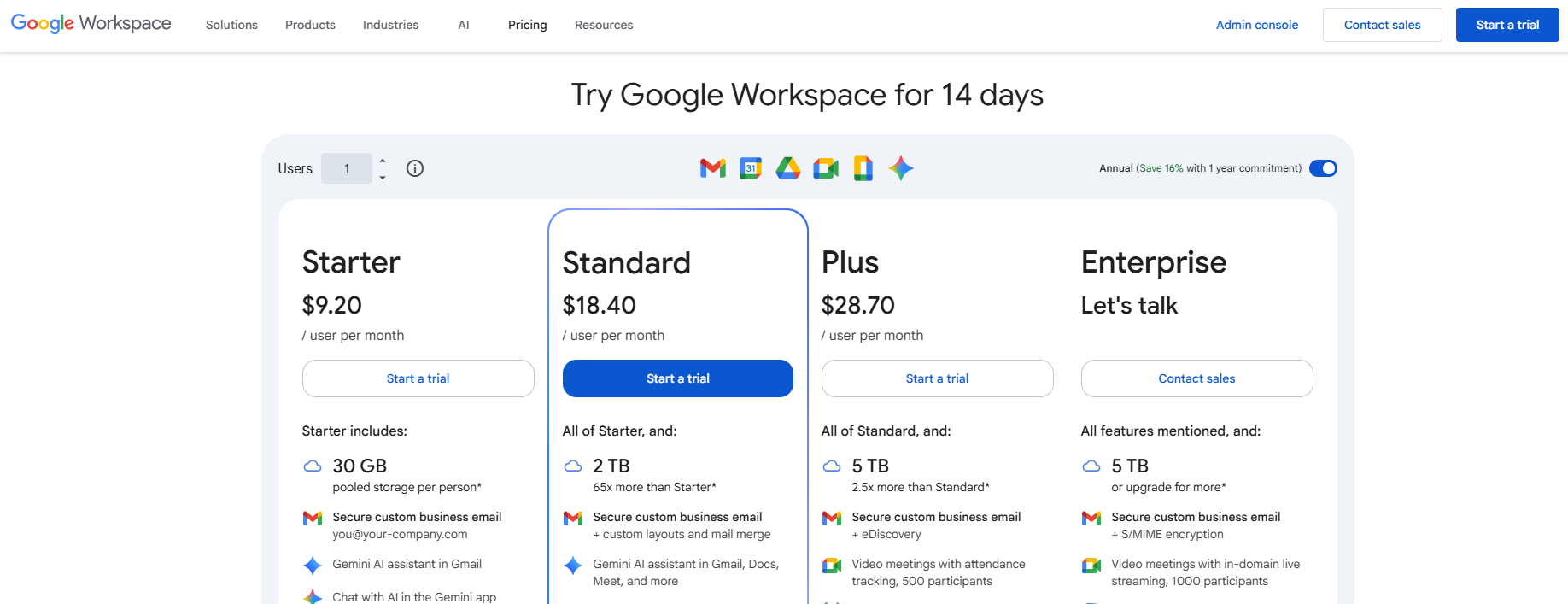
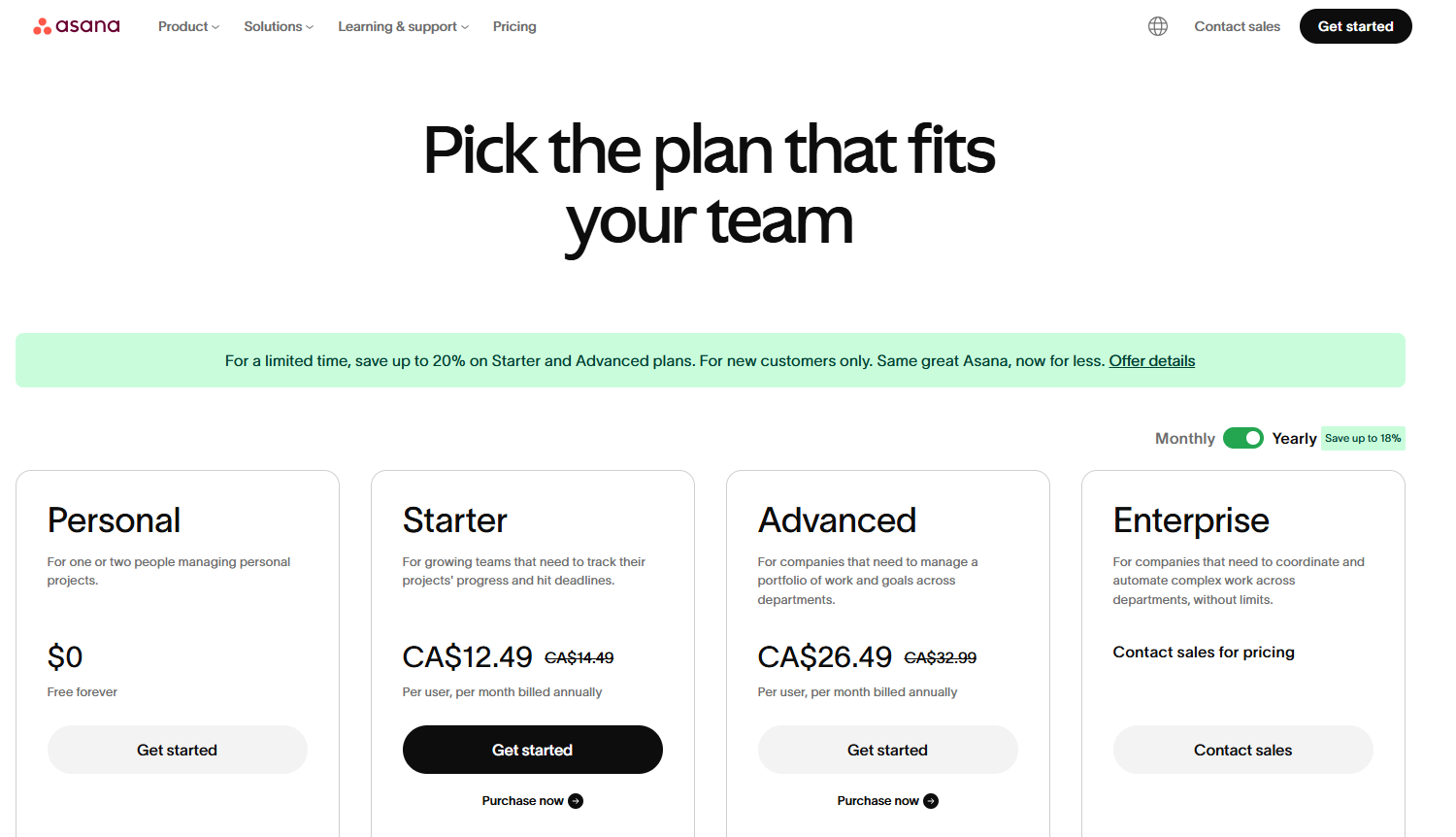

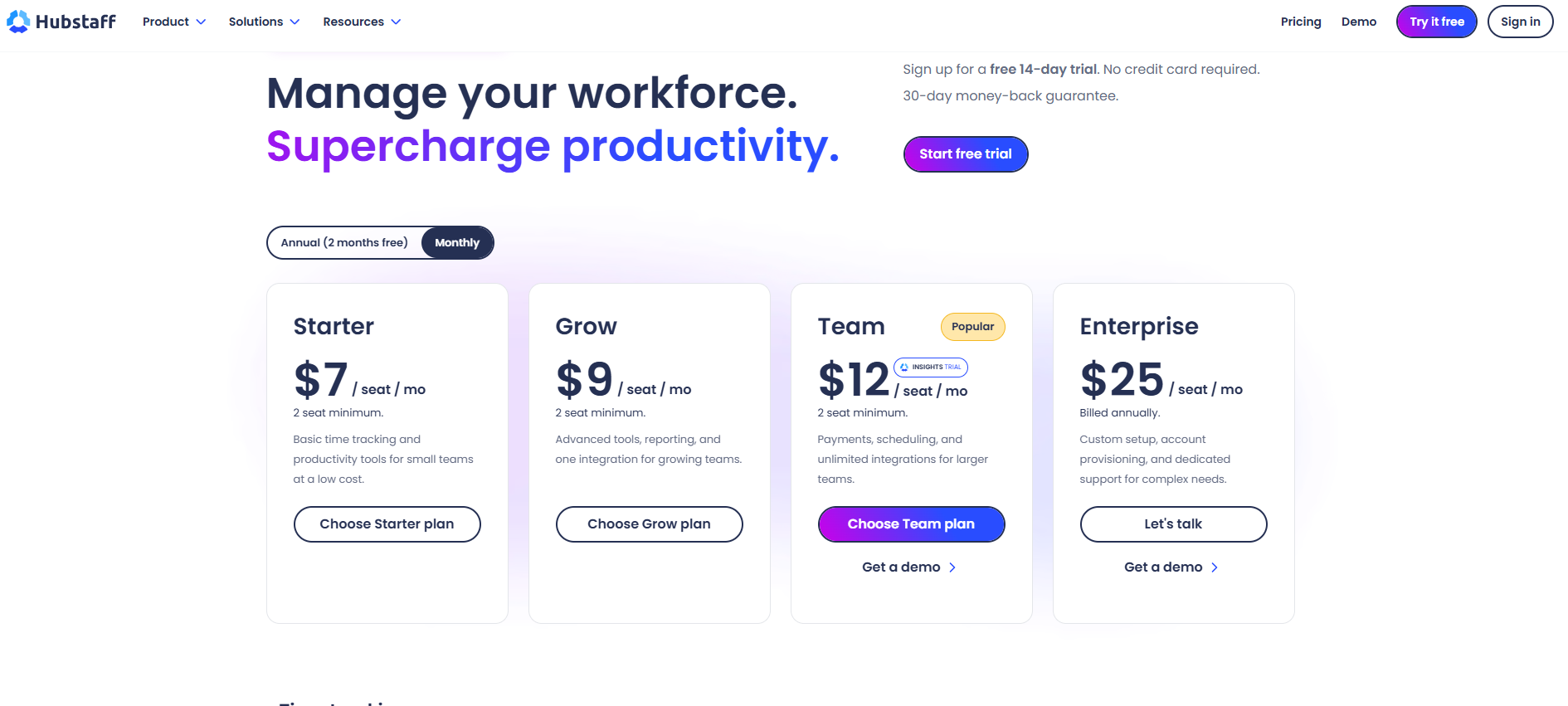
| Software Category | Core Tool | Estimated Monthly Cost (~3 Users) |
|---|---|---|
| SEO Intelligence | Ahrefs (Standard + 2 Seats) | ~$369.00 USD |
| SEO Technical Auditing | Screaming Frog (3 Licenses) | ~$70.00 USD (amortized from ~$837/yr) |
| Content Optimization | Surfer SEO (Pro Tier) | ~$119.00 USD |
| Digital PR / Outreach | BuzzSumo (Content Creation) | ~$199.00 USD |
| UX / Heatmapping | Hotjar (Plus/Business Tier) | ~$39.00 USD |
| Comm & File Storage | Google Workspace (Standard) | ~$50.40 USD |
| Project Management / CRM | Asana (Advanced) | ~$74.97 USD |
| Automation Infrastructure | Zapier (Team Tier) | ~$69.00 USD |
| Time Tracking | Hubstaff (Team Tier) | ~$30.00 USD |
| Total Core Tech Stack | ~$1,020.37 USD / ~$1,387.00 CAD per month | |
Human Capital, Labor Costs, and Capacity Planning
In the professional services sector, human capital constitutes the overwhelming majority of operating expenses. In the Vancouver market, an hourly wage of $36 equates to an annual gross salary of approximately $74,880, assuming a standard 2,080-hour work year. This compensation aligns precisely with the established market rates for an intermediate to mid-level SEO Specialist in British Columbia. Market data indicates that entry-level SEO salaries range from $60,000 to $66,000, while senior strategist roles and Heads of Digital Marketing command salaries ranging from $84,000 to well over $101,000 annually.

The Fully Loaded Cost of Employment
Financial modeling must account for the reality that a $36 per hour gross wage does not represent the agency's total cost of employment. In Canada, employers are legally obligated to remit payroll taxes, which include matching Canada Pension Plan (CPP) contributions and Employment Insurance (EI) premiums. WorkSafeBC premiums command an additional 1.55% of the assessable payroll. On a $74,880 salary, the WorkSafeBC premium alone is approximately $1,160 annually. Furthermore, typical professional benefits - including health spending accounts, paid time off, continuous education stipends, and equipment depreciation allowances - must be factored into the calculus.
Consequently, a 20% to 25% burden rate is a conservative standard estimate for the fully loaded cost of a Canadian employee. Thus, a specialist earning $36.00 per hour represents a true financial cost to the agency of approximately $45.00 per hour.
Capacity and Utilization Constraints
Profitability in an agency is entirely dependent on capacity utilization - the percentage of an employee's total compensated time that can be directly billed or attributed to paying client deliverables. A 100% utilization rate is an operational impossibility. Administrative duties, internal meetings, software training, answering emails, and inevitable workflow friction consume significant portions of the day. A well-managed agency targets an aggressive utilization rate of 70% to 75%.
Therefore, out of a 40-hour workweek, only 28 to 30 hours are actually productive client hours. If the true cost of an employee is $45.00 per hour across a 40-hour week ($1,800 total cost), the effective cost of a single productive client hour swells to roughly $60.00 to $64.00. This recalculation is the hidden vulnerability that destroys the margins of inexperienced agency operators who price their services based purely on raw salary data.
Recruitment and Professional Development Expenses
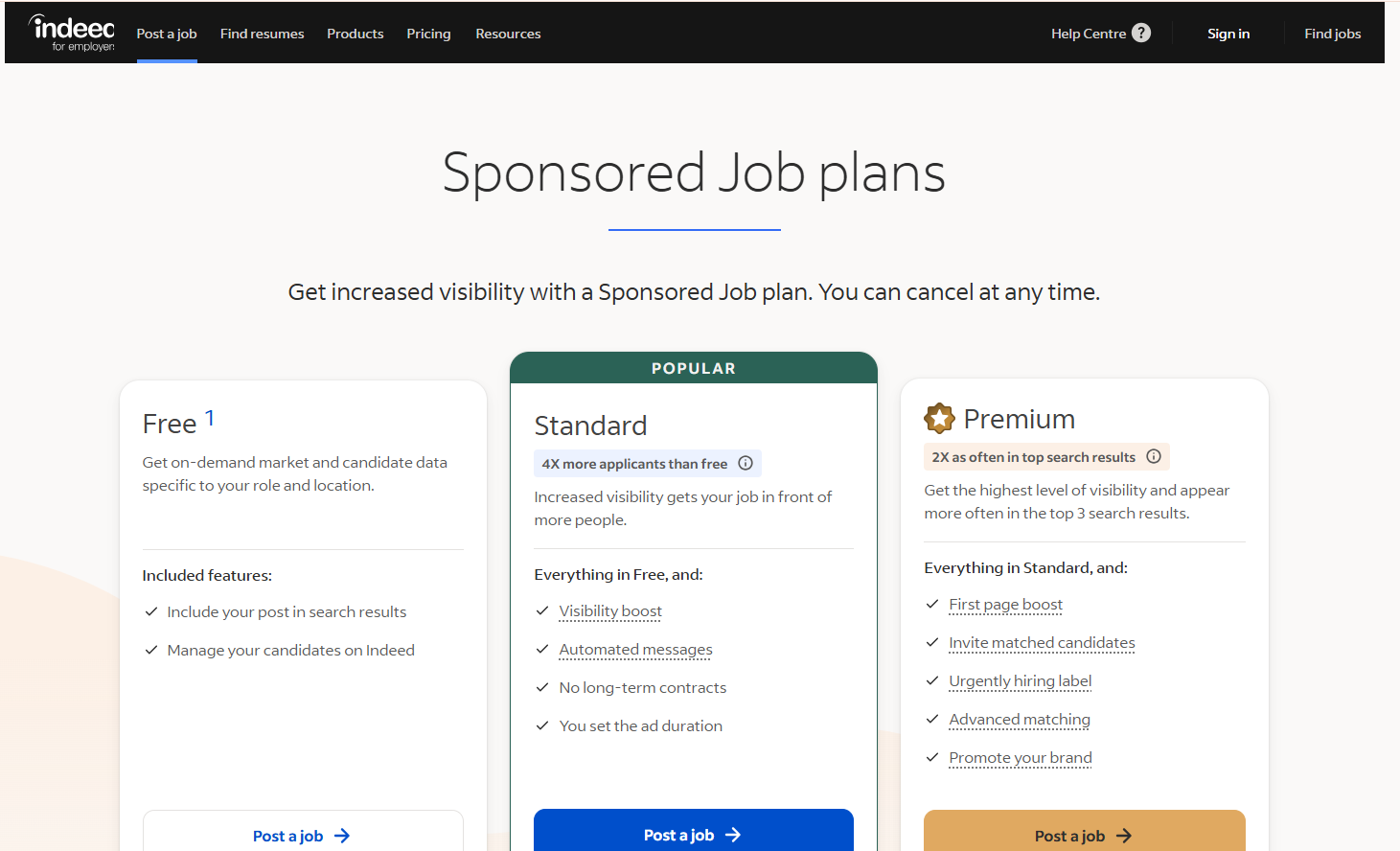
Sourcing specialized SEO talent in a highly competitive digital market like Vancouver carries its own acquisition costs. Utilizing platforms like Indeed is standard practice for recruitment. While organic postings exist, competitive roles in digital marketing often require sponsored job postings at daily budgets that attract qualified candidates. An agency must reasonably budget $300 to $500 in job board sponsorship and promotion for each hiring cycle.
Once hired, continuous education is paramount, as search algorithms evolve relentlessly. To maintain a competitive edge, agencies frequently invest in advanced training platforms for their staff, such as the CXL Institute, which offers elite courses in technical SEO, digital psychology, and conversion rate optimization. Lifetime access to specific CXL minidegrees costs approximately $699, or can be accessed via ongoing monthly subscriptions.
Agency Marketing and Client Acquisition Economics
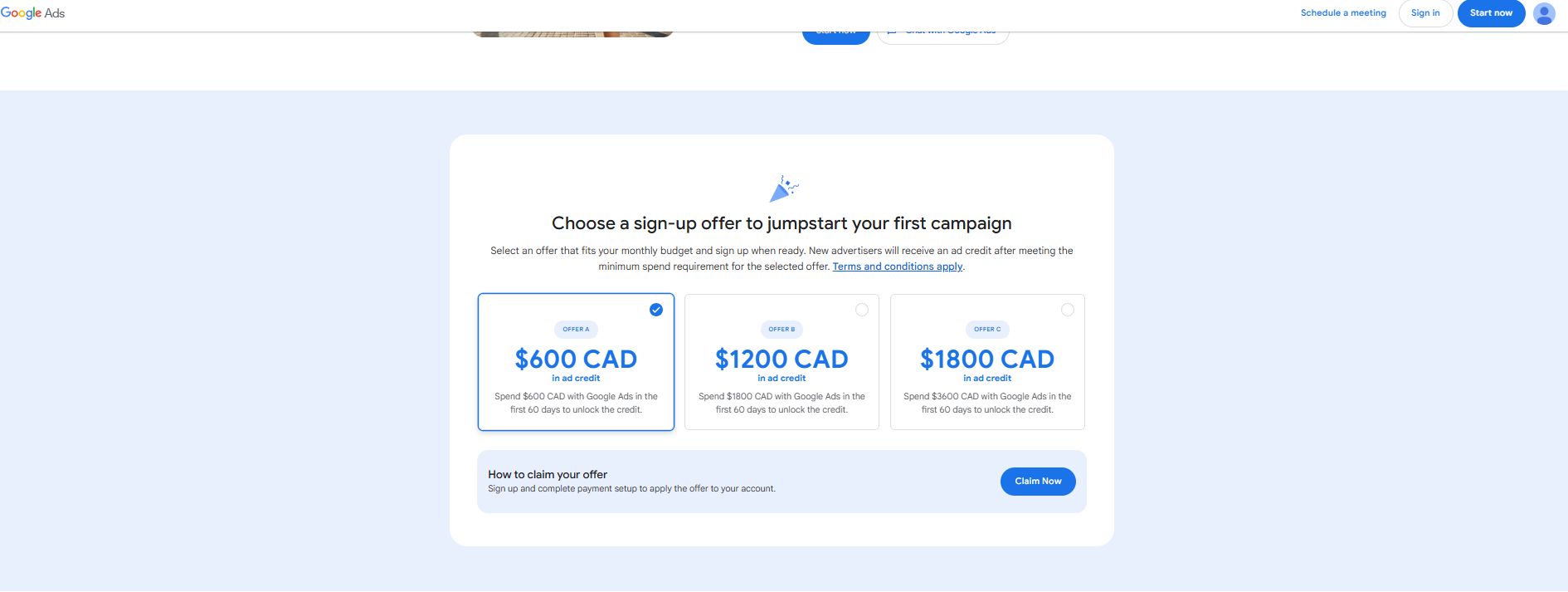
An SEO agency is subject to a profound operational irony: generating leads for its own services is often vastly more difficult and expensive than generating leads for its clients. The local market is heavily saturated. Keywords such as "SEO Vancouver," "Digital Marketing Agency Vancouver BC," or "Local SEO Vancouver" are characterized by intense competition and correspondingly exorbitant Cost Per Click (CPC) rates in Google Ads, as every competitor bidding on the terms is fundamentally an expert in search marketing.
Industry benchmarks dictate that a small-to-medium digital agency should aggressively reinvest 5% to 12% of its gross revenue back into its own marketing and business development. For an agency generating a modest $30,000 per month, this equates to a mandatory marketing budget of $1,500 to $3,600 monthly. These funds must be strategically deployed. While organic, inbound SEO is the agency's core competency, relying solely on organic growth during the initial years is dangerously slow and leaves cash flow vulnerable. Consequently, the marketing budget is typically bifurcated into outbound sales (LinkedIn outreach, networking events, CRM prospecting) and paid acquisition.
Client churn severely exacerbates this requirement. Data analyzing small digital marketing service providers suggests nearly 70% of small businesses terminate digital marketing relationships within the first 12 months, often due to misaligned expectations or cash flow issues. While excellent agencies can retain clients for 2 to 5 years, the high average churn rate mandates a relentless, heavily funded client acquisition engine just to replace attrition. Data from Clutch.co regarding Vancouver SEO agencies reveals that most highly-rated firms charge an average hourly rate between $100 and $149, with typical monthly retainers averaging $3,199 across the broader North American market. This context allows a smaller agency to confidently price its $1,500 retainer as a highly competitive, entry-to-mid-level offering.
Fiscal Obligations: Corporate Taxation and Compliance in BC
Understanding the tax infrastructure is paramount for forecasting free cash flow and accurately calculating net profitability. Operating as an incorporated entity in British Columbia provides access to highly favorable small business tax rates, provided the agency qualifies as a Canadian-Controlled Private Corporation (CCPC) earning Active Business Income.
The Small Business Deduction
The Canadian corporate tax system offers a profound economic incentive for small businesses to incorporate and scale. For active business income up to a threshold of $500,000 CAD per year, the combined federal and provincial tax rate is radically reduced. The federal rate for small businesses is 9%, while the British Columbia provincial rate is a mere 2%. This results in a highly favorable combined corporate income tax rate of just 11% on the first half-million dollars of net profit.
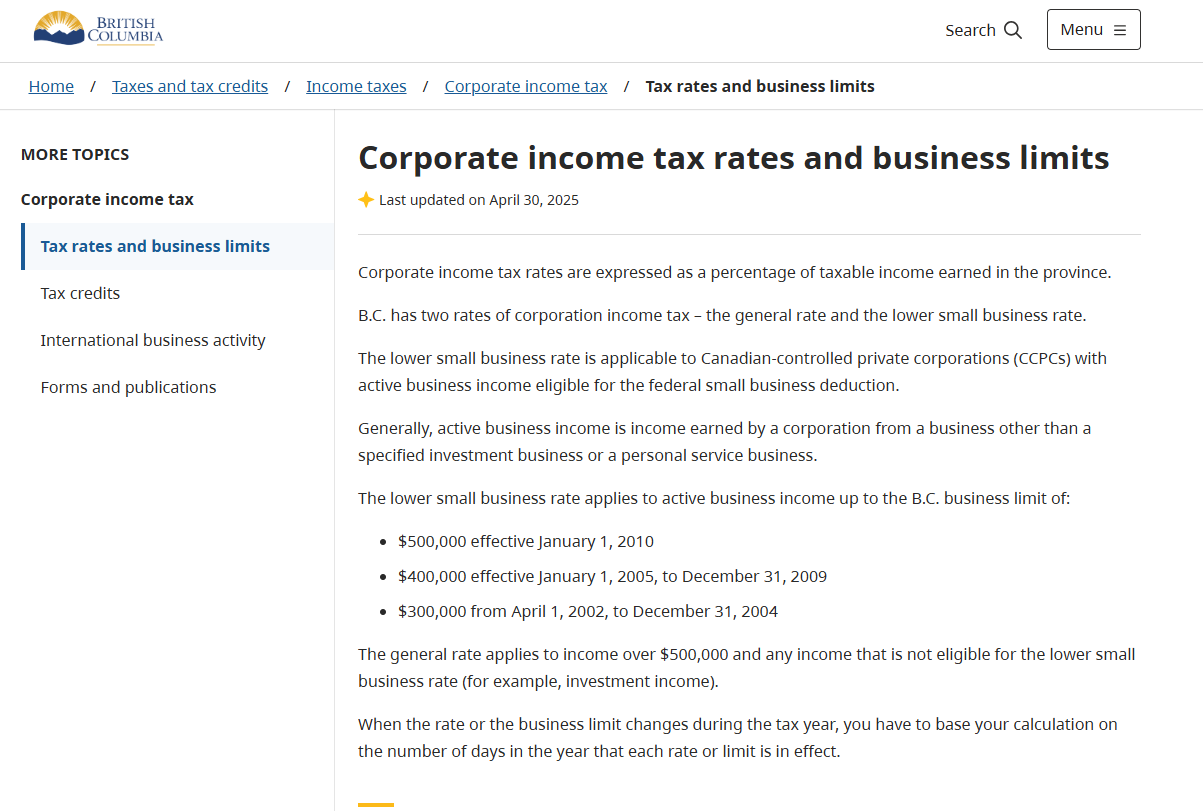
This 11% rate represents a massive margin advantage compared to the general corporate rate. Income exceeding the $500,000 threshold is subjected to the general corporate tax rate of 27% (15% federal plus 12% BC). Furthermore, it is critical for agency owners to distinguish active business income from passive investment income. If the agency owner retains profits within the corporation and invests them in equities, mutual funds, or real estate, that passive investment income is taxed at a highly aggressive 50.70%, though portions of this tax are refundable upon the payment of taxable dividends to the shareholders. Thus, the fiscal strategy for a small agency is to extract profits via salary or dividends, or aggressively reinvest in operational growth, systematically avoiding passive cash accumulation within the corporate shell.
Sales Tax Mechanics: PST and GST
Agencies must also navigate the complexities of federal and provincial sales taxes, both as collectors and as consumers. The federal Goods and Services Tax (GST) is 5%. Once an agency surpasses $30,000 in gross revenue over a consecutive four-quarter period, it must register for, collect, and remit GST on all services provided to Canadian clients. Services exported to international clients (e.g., US-based or European businesses) are zero-rated, meaning no GST is collected, though the agency can still claim Input Tax Credits (ITCs) on the GST it paid for its own operational expenses.
The British Columbia Provincial Sales Tax (PST), set at 7%, presents a more nuanced challenge. Professional services, including pure SEO consulting, strategy development, and original website design, are generally exempt from PST. However, the landscape changes if the agency bundles software, digital goods, physical promotional materials, or telecommunications services into its deliverables. More acutely, British Columbia mandates that both foreign and domestic software providers charge PST on digital services, telecommunication services, and SaaS products. Therefore, the agency's monthly subscriptions for critical tools like Ahrefs, Google Workspace, Zapier, and Surfer SEO are generally subject to a 7% PST surcharge, increasing the total cost of the technology stack and reducing the bottom line.
.png)
Revenue Modeling, Cost Architectures, and Profitability
To synthesize these distinct, interconnected economic variables into a cohesive financial model, we must establish a baseline operational scenario. The premise is a small agency serving clients at an average recurring retainer of $1,500 per month. The true profitability of this agency relies entirely on mapping the fulfillment delivery cost of that $1,500 against the firm's broader fixed and variable overheads.
The Economics of the $1,500 Retainer
The monthly retainer is the overwhelmingly dominant structure in SEO, prized for generating predictable, recurring cash flow. In the Canadian market, an average small-business SEO retainer typically ranges between $500 and $2,500+ per month, positioning the $1,500 figure as a standard, highly competitive mid-tier engagement. At this price point, deliverables generally encompass a blend of ongoing keyword research, monthly technical site health monitoring and fixes, the creation or optimization of 2 to 4 pieces of long-form content, localized Google Business Profile management, basic link-building outreach, and comprehensive monthly reporting via tools like Google Looker Studio.
To deliver this scope at a high standard, an SEO specialist will typically spend 12 to 15 hours per month on the account. Using the previously calculated effective labor cost of $60.00 per productive hour, 15 hours of labor costs the agency $900.00.
| Single Retainer Economics | Value (CAD) | Percentage |
|---|---|---|
| Revenue per Client | $1,500.00 | 100% |
| Direct Labor Cost (COGS) | $900.00 | 60% |
| Gross Profit | $600.00 | 40% |
This 40% gross margin represents the absolute ceiling of profitability before any operational overhead, software expenses, marketing budgets, or administrative costs are deducted.
Establishing the Operational Break-Even Point
To rigorously evaluate net margins, we can construct a hypothetical Profit and Loss (P&L) statement for a boutique agency consisting of an owner-operator and one mid-level SEO specialist. The agency handles exactly 15 clients, representing full capacity for the specialist and partial capacity for the owner (who also executes sales, strategy, and administration).
Monthly Revenue: 15 Clients @ $1,500/month = $22,500 CAD
Monthly Direct Labor (COGS): 1 Specialist (Fully loaded salary, CPP/EI, benefits, WorkSafeBC) = ~$7,800 CAD
Gross Profit: $14,700 CAD (65.3% Gross Margin based on total agency revenue, as the owner's labor is initially absorbed into gross margin before owner draws).
Monthly Operating Expenses (OpEx):
- Software Stack (inclusive of USD to CAD exchange rates and 7% PST): ~$1,450 CAD
- Infrastructure - Premium Virtual Office: $150 CAD
- Internal Marketing (8% of revenue): $1,800 CAD
- Professional Insurance (Media Liability / E&O): $100 CAD
- Administrative / Bank Fees (accounting software, business banking): $150 CAD
- Owner's Base Draw/Admin Salary: $5,000 CAD

Total OpEx: $8,650 CAD
EBITDA: Gross Profit ($14,700) − Total OpEx ($8,650) = $6,050 CAD
Pre-Tax Net Margin: $6,050 / $22,500 = 26.8%
Taxation and Ultimate Profitability
This 26.8% pre-tax margin is remarkably healthy. It reflects a hyper-lean operation utilizing a virtual office rather than a heavy commercial lease, and managing a tight technology stack. However, this profit must survive the final filter: British Columbia corporate taxation.
As established, the agency benefits from the CCPC Small Business Deduction, resulting in a combined federal and provincial corporate tax rate of 11%.
| P&L Line Item | Value (CAD) |
|---|---|
| Pre-Tax Profit | $6,050.00 |
| Corporate Tax (11%) | $665.50 |
| Net Income (After Tax) | $5,384.50 |
| Final After-Tax Net Profit Margin | 23.9% |
This 23.9% net margin aligns with, and slightly exceeds, industry expectations. Broad sector data suggests that a healthy, standardized profit margin for a digital or SEO agency typically ranges between 11% and 21%. The modeled agency outperforms the lower bound of this benchmark through extreme, intentional cost control - specifically, by utilizing a virtual office framework rather than incurring the $1,500 to $3,000+ monthly burden of physical workspace, by utilizing scalable local hardware rather than relying on expensive, always-on AWS EC2 instances, and by maintaining strict boundaries against scope creep.
Agencies that struggle financially typically experience margin compression from three primary sources: over-hiring prior to revenue realization (resulting in devastatingly low utilization rates), excessive client churn causing Customer Acquisition Cost (CAC) to violently outpace Lifetime Value (LTV), and "scope creep," where the anticipated 15 hours of monthly labor per $1,500 client silently expands to 20 or 25 hours due to poor boundary management, weak CRM implementation, or aggressively demanding clients.
Conclusion
Operating a small SEO agency in Vancouver presents a robust, highly scalable economic opportunity framed by distinct, unforgiving financial boundaries. The barrier to entry is deceptively low - an incorporated entity can be legally established for under $500, and a professional virtual presence maintained for nominal monthly fees. However, the true cost of ongoing operations scales exponentially with the introduction of high-performance localized hardware, multifaceted SaaS architectures with punitive overage models, and the heavy burden of Canadian human capital costs.
The central insight derived from this analysis is the extreme fragility of the gross margin. At an average client retainer of $1,500 per month, the economic space between fully loaded labor costs, stringent software licensing models (such as credit-based consumption limits in Ahrefs and user-seat minimums in Asana), and mandatory self-marketing spend is perilously narrow. The most successful, enduring agencies in this bracket achieve profitability not through exorbitant pricing models, but through the ruthless optimization of employee capacity utilization, the leveraging of automation tools like Zapier, and the intentional, strategic avoidance of physical commercial overhead.
Furthermore, technological shifts are poised to disrupt this operational paradigm. The rapid integration of AI-powered workflows into content tools like Surfer SEO and task automation platforms is beginning to condense the raw hours required for standard deliverables. While this theoretically expands the gross margin by reducing the labor hours required to fulfill a $1,500 contract, it simultaneously places downward pressure on industry pricing, as educated clients increasingly demand greater output and faster velocity for standardized retainers.
Ultimately, the Vancouver SEO agency model is highly viable and potentially lucrative. An operation disciplined enough to protect its $36/hour labor from administrative bloat, navigate the BC corporate tax structures efficiently to capitalize on the 11% small business rate, and continually feed a 5% to 12% marketing budget can sustainably capture after-tax net profit margins in the 20% to 25% range, cementing its place as an agile, highly profitable enterprise within Canada's rapidly expanding digital economy.

Ready to Dominate Your Local Market?
Don't leave your Google Business Profile to chance. Get expert optimization that puts you in the local 3-pack and keeps you there - fully verified, suspension-proof, and ahead of every competitor.
Book a Free GBP Strategy Call